

The Truth No One Tells You About Why Cancer Happens
You’ve probably asked the question.
Most of us have.
Why did I get cancer?
And if you’ve ever been told, “It’s just bad luck” or “We don’t really know,” you know how empty that answer feels.
I hear it all the time from women I coach—how dismissed they felt after asking one of the most important questions of their life.
Because it’s not just a question.
It’s a search for understanding. For peace. For some solid footing after the ground’s been ripped out from under you.
The Truth You Deserve to Hear
Before we go any further, I want to be clear about one thing:
You didn’t cause your cancer.
But there may have been things—stressors, imbalances, or exposures—that made your body more vulnerable. And there are absolutely things you can do now to support healing and reduce the risk of recurrence.
You deserve answers that go deeper than genetics or chance.
Because when you understand what may have contributed, you can take action to help your body heal. You can take back control.
So that’s where we’re headed.
We’ll look at what cancer really is, what sets the stage for it to grow, and why it’s rarely caused by just one thing.
I’ll share the patterns I see most often in the women I work with and introduce the bucket analogy that helped me make sense of my own diagnosis.
Because clarity is where healing begins.
So What Is Cancer, Really?
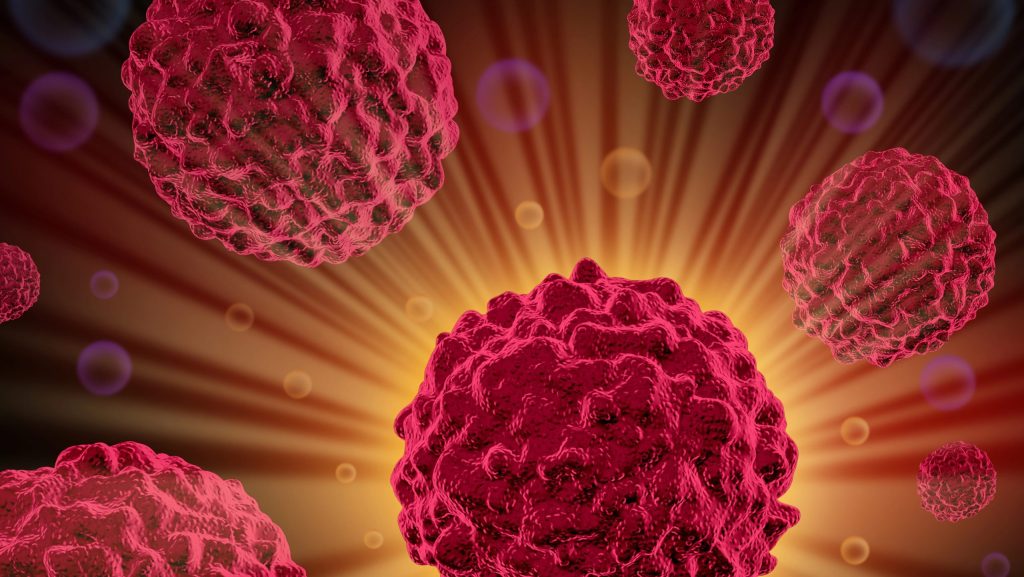
Let’s start by clearing something up: Cancer cells aren’t invaders.
They’re not viruses, bacteria, or some foreign intruder that doesn’t belong in your body.
They’re your own cells—cells that once functioned normally but started behaving in ways they weren’t designed to.
In simple terms, cancer cells are healthy cells that got confused.
They stopped following the rules. Forgot when to stop dividing. And lost their built-in safety checks.
So instead of dying off when they’re supposed to, they keep multiplying. That’s what turns a normal cell into a cancer cell.
And some of these cells can become even more aggressive. They can travel to other parts of the body, settle in, and start the process all over again. That’s what we call metastasis—when cancer spreads beyond its original location.
These cells can even start building their own blood supply so they can get more nutrients and grow faster (a process called angiogenesis).
What Cancer Might Really Be Telling You
Here’s the good news: Cancer isn’t always a sign that your body is failing.
In many cases, it’s your body trying to protect you in the only way it knows how under the conditions it’s been given.
It’s a response to stress, toxic exposures, chronic inflammation, and internal imbalances that affect your immune system, hormone regulation, gut health, or any of the systems that help keep your body in check.
I know it might sound strange, but in some ways, cancer is your body’s alarm system.
It’s a warning that something’s not working… and it’s asking for your attention.
When you start listening—really listening—you give your body the chance to heal and restore the balance it needs to keep cancer in check. To rebuild a healthier internal environment where cancer struggles to survive.
Why Genes Aren’t the Whole Story
Most people are told it’s either genetics or bad luck.
But that doesn’t explain why two people with the same genes—or the same exposures—can have completely different outcomes.
Here’s what the research tells us:
Fewer than 10% of all cancers are caused by inherited genes (1). That means at least 90% of your risk comes from something else.
So how do we know genes don’t determine your health outcomes?
Fortunately, studies looking at identical twins provide valuable insight. Identical twins are born with exactly the same DNA… that’s what makes them identical.
Yet twin studies show that even with the same genes, growing up in different environments or living different lifestyles can lead to very different health outcomes, including cancer (2).
So what you eat, how you think, and where you live—among other things—are far more likely to shape your health than your genes.
In fact, it’s estimated that between 75–85% of cancers are linked to diet and lifestyle factors.
Here’s an easier way to think about it:
Your genes provide the blueprint. But your diet and lifestyle build the home. And you get to choose the kind of home you want to live in.
So, remember—your genes are not your destiny.
The choices you make every day can either support healing or create the conditions that allow cancer to grow.
The Real Answer: It Wasn’t Just One Thing
Think of your body as having a bucket—one that holds all the stressors, toxins, and imbalances you’ve been exposed to over time.
Throughout your life, that bucket slowly fills up. Drop by drop.
Every exposure, stressor, poor night of sleep, nutrient deficiency, toxin, virus, hormone imbalance, unresolved trauma… it all adds up.
When that bucket overflows, the systems that normally protect you can start to break down.
Your body can handle a lot—it’s built to adapt and recover. But even the most resilient systems can become overloaded. And when your bucket finally overflows, that’s when cancer can take hold.
That’s the part many people miss. We tend to focus on the moment things went wrong, but cancer doesn’t usually come from just one event. It can take years—sometimes decades—to develop.

So that last drop that tipped the bucket isn’t the only one that matters. Not just the stressful event you went through last year. Not just the stretch of time when your diet was off or sleep was inconsistent. It’s everything that had been quietly accumulating long before that.
Cancer doesn’t usually come from one big cause. It develops when the conditions are right—and those conditions build over time.
What No One Tells You About Cancer
You didn’t get cancer because of one decision, one gene, or one moment.
Cancer develops when too many physical, emotional, and environmental stressors build up and overwhelm your body’s ability to stay balanced.
That’s the truth most people aren’t told.
And that’s also good news.
Because if your bucket filled up over years, you can begin to unload it step by step.
You have more influence over your health than you’ve been led to believe.
And you don’t have to figure it out alone.
Ready to take the next step? Start here: What Caused My Cancer? Hidden Factors Most People Overlook
Where to Go From Here
Now that you understand what sets the stage for cancer to grow, the next step is asking: What’s been filling your bucket?
I’ve broken this down further here: Why Did I Get Cancer? Hidden Factors Most People Overlook
You’ll learn about some of the most common—but often overlooked—factors that can create a cancer-friendly environment.
We’ll talk about stress, inflammation, gut health, blood sugar, toxins, and more. Including how to build a cancer-resistant body without adding more stress.
You don’t need to do everything at once.
But when you understand what’s been creating the conditions cancer needs to grow, you can finally focus on what will make the biggest difference.

When You’re Ready, Here Are 3 Ways I Can Support You:
1. Download the Free Guide: 5 Morning Habits That Support Healing and Lower Recurrence Risk Start your day with simple, science-backed habits that help lower inflammation, stabilize blood sugar, and make your body less hospitable to cancer—in just 20 minutes or less.
2. Listen to the Private Podcast: The Cancer Recovery Roadmap
Short, focused episodes that break down what most conventional approaches miss, like how cancer develops over time and how to build a cancer-resistant body without overhauling your entire life.
3. Book a Complimentary Cancer Healing Assessment
We’ll talk through what you’ve tried, what’s helping (and what’s not), and get clear on what’s still leaving your body more vulnerable to cancer. Then we’ll map out your next best step to support healing and reduce your risk of recurrence, with a clear plan that makes sense for you.






I have Myelofibrosis which is a blood cancer will this group be right for me?
Hi Judy- This blog, and my Cancer Reset Roadmap, are for women with all types of cancer. So, yes! Please reach out if you’d like further assistance.