Does Sugar Feed Cancer? What Really Matters
I’m a Registered Dietitian and Cancer Recovery Coach, and I get asked almost every day: “Does sugar feed cancer?”
You may have heard that sugar makes cancer grow. And while that’s not the whole story, it’s not exactly wrong either.
The fear is real… and so is the confusion.
So let’s clear it up.
Here’s what’s actually happening in your body, and why cutting all sugar isn’t the answer.
We’ll look at why keeping blood sugar and insulin stable—and not eliminating all sugar—is the real goal for healing and lowering your risk of recurrence.
And how you can still enjoy the occasional sweet without compromising your recovery.
Not all sugars are created equal. Some types affect your body very differently—especially when it comes to insulin, inflammation, and cancer risk.
Let’s break it down.
The Basics of Sugar
Sugar is a carbohydrate. Like all carbs, your body breaks it down into glucose, its main fuel.
When I say “sugar,” I mean both the kind you eat—like table sugar or honey—and the glucose your body makes after you eat foods like fruit, bread, or even carrots. That glucose shows up in your blood as blood sugar.
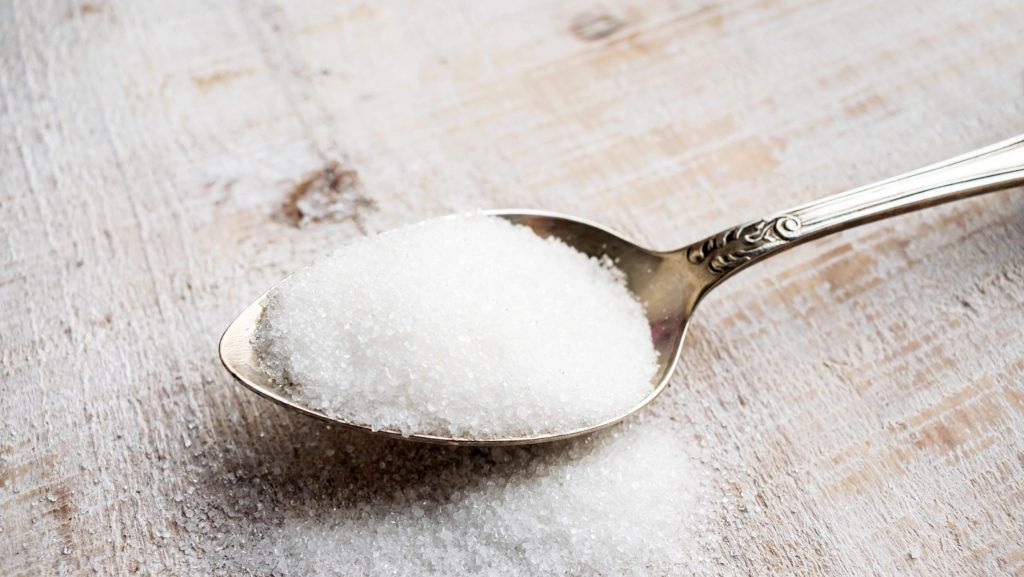
Whether it’s fruit or pasta, all carbs eventually break down into glucose. That’s how your body gets energy to move, think, and heal.
The problem isn’t just how much sugar you eat. It’s how fast it spikes your blood sugar and insulin.
All sugars start with simple building blocks like glucose and fructose. These simple molecules can join together to form other sugars—like sucrose, which is table sugar.
Did you know? The longer the sugar chain, the less sweet it tastes. That’s why starchy foods like rice, bread, and pasta don’t taste sugary, even though they still turn into glucose.
Good Sugar vs Bad Sugar: Is there such a thing?
There’s a big difference between the sugar in fruit or starchy vegetables and the sugar added to soda, cookies, or packaged snacks. The source of sugar matters because it changes how it impacts blood sugar and insulin.
Natural sugars, like those in an apple or a peach, come with fiber, vitamins, and other nutrients your body actually needs. The fiber slows how quickly sugar enters your bloodstream, while the vitamins and nutrients support overall health.
Complex carbs—like oats or brown rice—also contain fiber and nutrients. They break down more slowly, which helps keep your blood sugar steady.
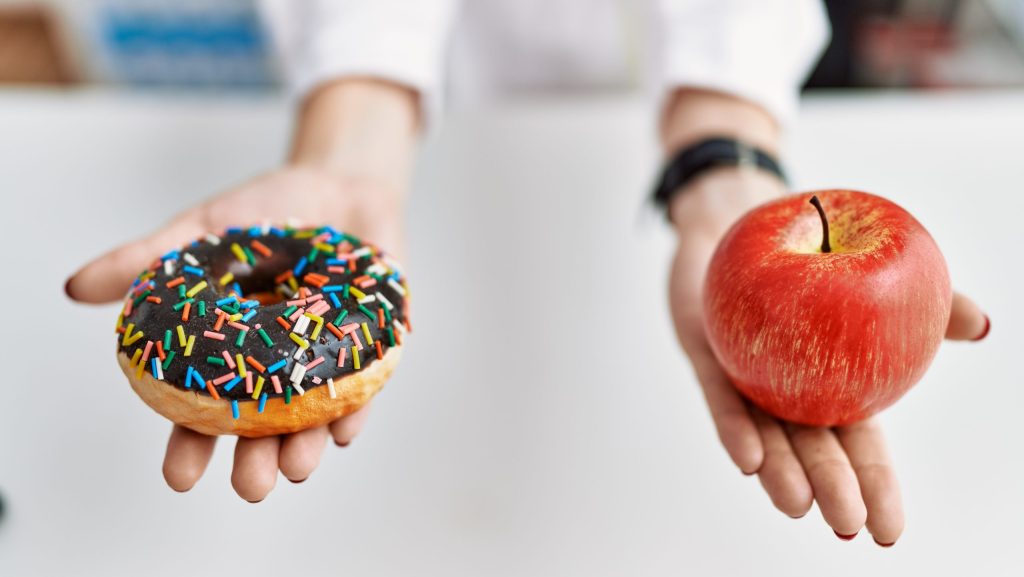
On the other hand, added sugars from foods like soft drinks, pastries, and packaged foods are more likely to spike blood sugar. And as if that weren’t bad enough, they bring almost nothing to the table nutritionally.
That’s why they are often called empty calories. They give you sugar (and calories) without anything your body can actually use. That’s why it’s best to limit them if you’re focused on healing or reducing recurrence risk.
But it’s not just that they offer nothing helpful. Excess sugar can actually make things worse.
It fuels inflammation and drives up insulin. Both of those create an environment where cancer can grow more easily.
So What Does That Mean? Does Sugar Feed Cancer?
It’s not a simple yes or no. It’s far more nuanced.
All cells, including healthy ones, need glucose to function. But cancer cells rely more heavily on it.
That’s where the problem starts. When blood sugar and insulin stay high, it creates an environment where cancer can grow faster and spread more easily.
Let’s break it down in a way that actually makes sense. Because once you understand what’s happening in the body, it becomes easier to make choices that support healing.
What Sugar Does Inside Your Body
Cancer doesn’t happen because of just one thing. But sugar can play a role in creating an environment that makes it easier for cancer to grow.
To understand how, it helps to look at how your body processes sugar.
Want to learn more about why cancer happens? Check out this post HERE.

All cells, including healthy ones, use glucose for fuel.
But cancer cells don’t use it the same way. They burn through glucose much faster than normal cells.
Cancer cells rely heavily on glucose, even when oxygen is available—a pattern known as the Warburg effect. Because they burn through sugar quickly, they need more of it to keep growing.
That’s why high blood sugar levels give them a steady energy supply to grow and spread faster.
And while sugar itself isn’t the problem, it becomes one when it causes repeated spikes in blood sugar and insulin.
While the sugar provides cancer cells with fuel, too much insulin also promotes cancer growth.
That’s why steady insulin matters just as much as stable blood sugar. High insulin levels can support cancer growth, even if your blood sugar looks okay.
Additionally, insulin can also help cancer spread. That’s why managing both blood sugar and insulin is so important for recovery and prevention (1).
And it doesn’t stop there. A high-sugar diet also increases inflammation. And chronic inflammation is another factor that makes cancer more likely to grow.
So the problem isn’t just sugar itself. It’s the chain reaction it can trigger—unstable blood sugar, high insulin, and chronic inflammation.
Now that you know how sugar affects the body, let’s revisit that big question: does sugar actually feed cancer?
Does Sugar Actually Feed Cancer?
The link between sugar and cancer can feel complicated. And that’s because it is.
The idea that sugar feeds cancer is often misunderstood.
Yes, cancer cells do use glucose. But so do all the healthy cells in your body.
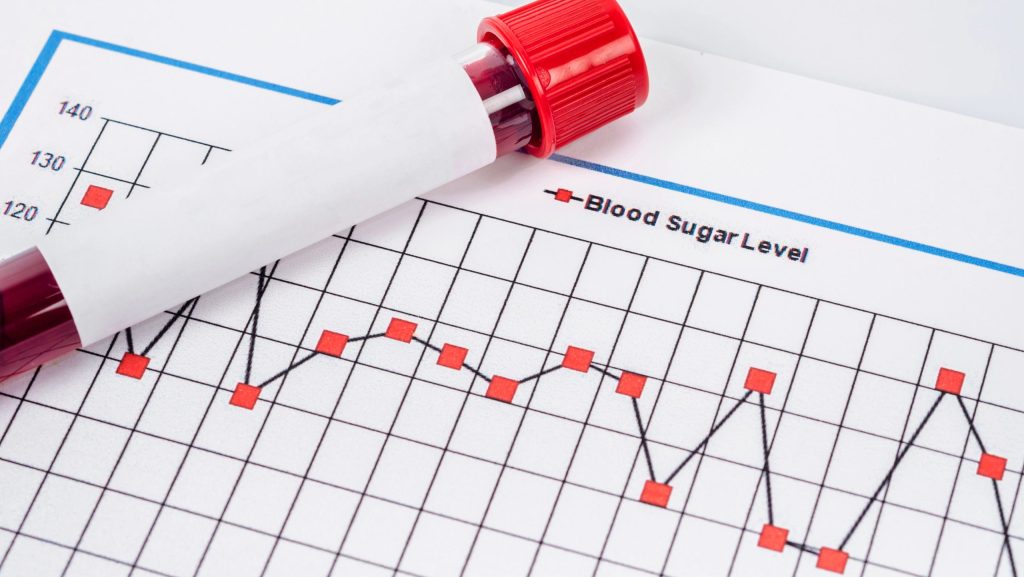
What matters most is what sugar does to your body over time, especially when it leads to blood sugar spikes, insulin resistance, inflammation, or weight gain.
Since cancer cells need more glucose to grow, a high-sugar diet gives them easy access to the fuel they’re constantly looking for.
But sugar’s impact goes beyond being a fuel source. It also affects cell signaling—especially the ones that control cell growth.
Too much sugar leads to too much insulin and insulin-like growth factor. When those stay high, they can push cells to grow when they shouldn’t.
In lab studies, high-sugar diets triggered inflammation and disrupted how the body handles glucose and fat. Both of those changes can create an environment that helps cancer grow (2)
But eating sugar isn’t necessarily the problem. What matters is how quickly—and how often—it hits your bloodstream.
And it’s not just sweets. Foods like white bread, cereal, and even some potatoes can raise blood sugar quickly. Especially if you eat them alone or on an empty stomach.
Why Certain Carbs Spike Blood Sugar and Raise Cancer Risk
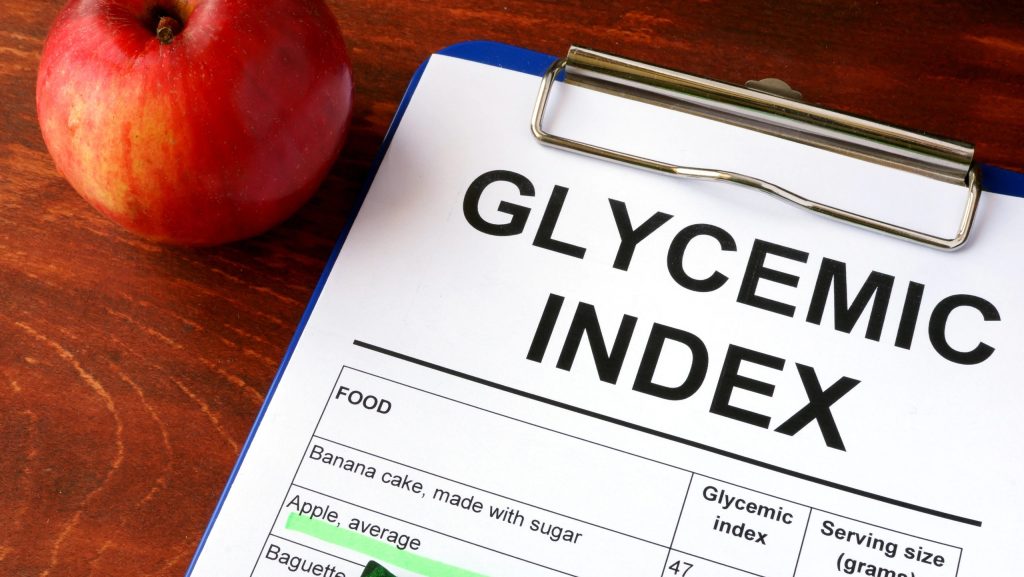
One way to understand how foods impact blood sugar is by looking at the glycemic index (GI).
It ranks how quickly different foods raise blood sugar. High GI foods (closer to 100) raise it fast. Low GI foods (closer to 0) raise it slowly.
High GI foods—like white bread, pastries, and sugary snacks—break down quickly and flood your bloodstream with glucose.
Low GI foods—like beans, leafy greens, and berries—break down more slowly, leading to a smaller blood sugar rise and steadier insulin response.
When you eat high GI foods, blood sugar rises fast and insulin spikes soon after. That’s the issue.
So it’s not just about avoiding sugar. It’s about choosing foods that keep blood sugar stable. Even some carbs that seem healthy can have the same effect if they digest too quickly.
Research from groups like the World Cancer Research Fund shows that diets high in high-GI foods may increase the risk of certain cancers, including endometrial cancer.
Blood Sugar Control in Cancer: A Dietary Approach
Now that you’re aware of how sugar influences blood sugar and insulin levels, let’s look at effective ways to manage these factors for better cancer outcomes.

These easy and effective strategies will help you maintain healthy blood sugar and insulin levels, essential for cancer recovery and recurrence prevention.
Fiber First, Carbs Last. Start your meals with vegetables, rich in fiber, to slow down sugar absorption. Follow with protein and healthy fats, which help you feel full and further stabilize blood sugar. Finish with carbohydrates and (occasionally) sweets, eating these last can help control blood sugar spikes.
Choose Low-Glycemic Foods. Focus on foods with a low glycemic index. These foods, like whole grains, nuts, and leafy greens, help maintain steady blood sugar levels.
Dessert in Moderation. If you’re going to have dessert, have it after a full meal. The fiber, protein, and fat you’ve already eaten will help slow sugar absorption and reduce the blood sugar spike.
Live an Active Lifestyle & Hydrate. Engage in regular, moderate exercise and stay well-hydrated to support healthy blood sugar and insulin levels. Even a short walk after meals can help.
Mindful Portion Control. It’s not only what you eat but how much. Smaller portions help prevent drastic blood sugar fluctuations.
Consider Intermittent Fasting. Take a break from eating for 12 or more hours overnight to help manage blood sugar and lower your risk of cancer. This break gives your body time to repair at the cellular level.
As always, individual needs and responses vary, so consulting with a healthcare professional for personalized guidance is recommended.
By incorporating these strategies into your daily routine, you’re taking proactive steps to manage your blood sugar and support your health during your cancer journey.
Is Sugar Bad for Cancer? A Recap
Sugar doesn’t directly cause cancer. But frequent spikes in blood sugar and insulin can create an internal environment where cancer grows more easily.
Excess sugar also promotes inflammation, which damages cells, disrupts repair signals, and throws your body out of balance. Over time, that raises cancer risk.
The good news? You don’t need to cut out all sugar—especially not from whole foods like fruit or grains.
What matters most is avoiding big blood sugar spikes and keeping insulin steady. One way to do that is by focusing on how you eat, not just what you eat.
Balancing meals with fiber, protein, and healthy fats can help slow sugar absorption and support healing.
And that’s something you can start working on now… one meal, one choice at a time.

When You’re Ready, Here Are 3 Ways I Can Support You
If you’re tired of conflicting advice, second-guessing every decision, or wondering if any of it is actually making a difference, start here:
1. Download the Free Guide: 5 Morning Habits That Support Healing and Lower Recurrence Risk Start your day with simple, science-backed habits that help lower inflammation, stabilize blood sugar, and make your body less hospitable to cancer—in just 20 minutes or less.
2. Listen to the Private Podcast: The Cancer Recovery Roadmap
Short, focused episodes that break down what often gets overlooked, like how cancer develops over time and how to build a cancer-resistant body without overhauling your entire life.
2. Book a Complimentary Healing Clarity Assessment
We’ll talk through what you’ve tried, what’s helping (and what’s not), and get clear on what’s still leaving your body more vulnerable to cancer. Then we’ll map out your next best step to support healing and reduce your risk of recurrence, with a clear plan that makes sense for you.