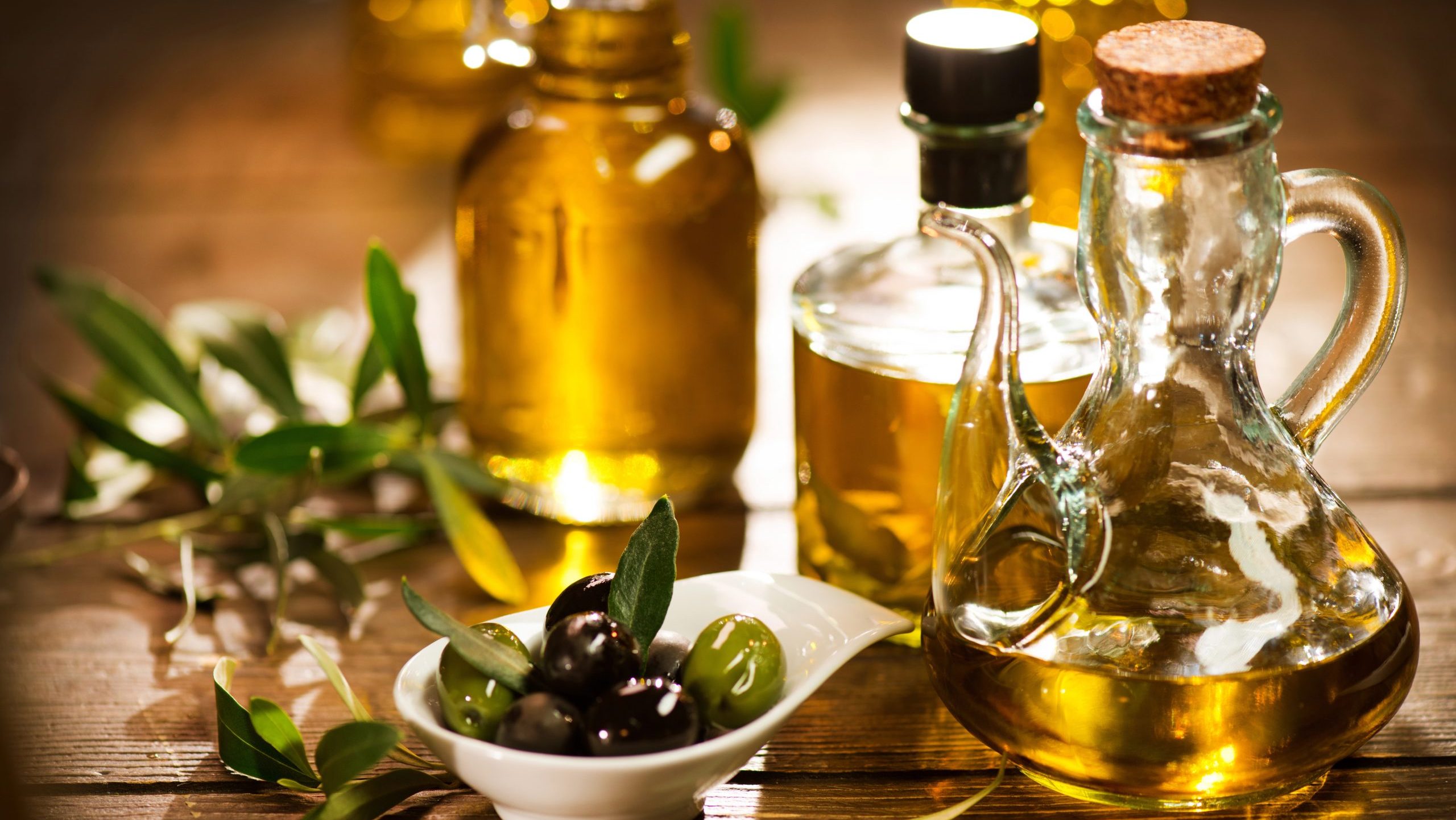
Cold Pressed Olive Oil vs Regular: Which is Better?
Cold-pressed olive oil vs regular vs extra virgin — walk down any grocery aisle and it feels like there are a hundred kinds of olive oil staring back at you.
But if you’re focused on healing or lowering your risk of cancer coming back, choosing the right kind matters more than you might think.
Understanding the differences can help you make the best choice for your body — and your future.
In fact, research shows that people who use the most olive oil have a 31% lower risk of developing cancer compared to those who use the least (1).
As a Registered Dietitian, 15-year cancer thriver, and Cancer Recovery Coach, I keep a variety of olive oils on hand.
So let’s dive into the olive oil options and when it’s best to use them, shall we?
Olive Oil: The Basics
Olive oil is predominantly made up of healthy fats called monounsaturated fats.
Monounsaturated fats are known for protecting healthy cells, lowering inflammation, and reducing the risk of certain cancers.
They also help lower total cholesterol levels, especially LDL, or “bad” cholesterol. Which is beneficial because heart disease is still the leading cause of death for women, even after cancer.
At room temperature, monounsaturated fats stay liquid. Saturated fats, on the other hand, are solid at room temperature and tend to raise total cholesterol and LDL.
Olive oil also contains a small amount of polyunsaturated fat. Polyunsaturated fats are liquid at room temperature but may start to thicken when chilled.
They may help lower LDL, but the real cancer-protective benefits come from olive oil’s monounsaturated fats and antioxidants.
Olive oil is roughly 73% monounsaturated, 11% polyunsaturated, and 14% saturated.
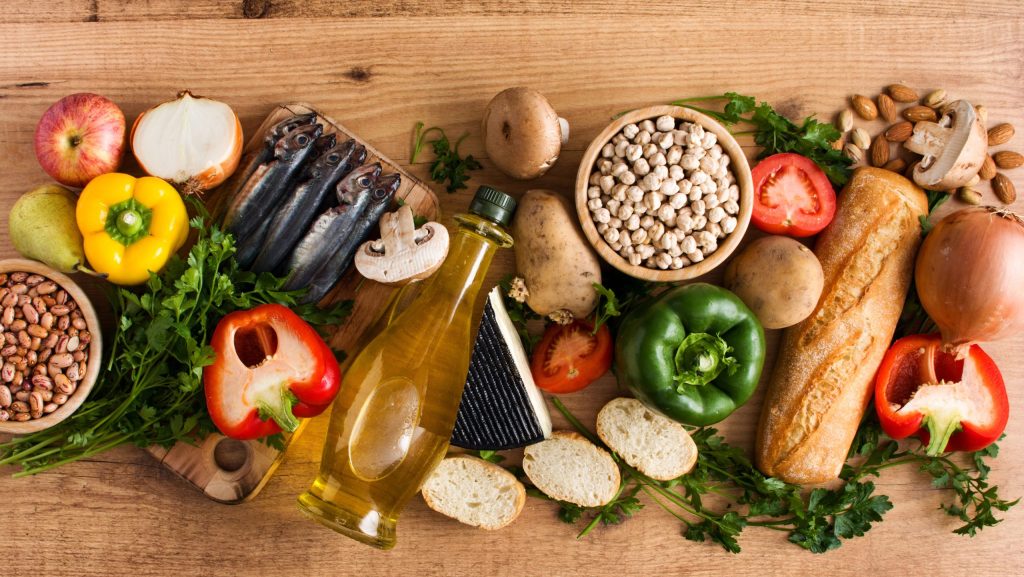
Cold-Pressed Olive Oil: The Mediterranean’s Liquid Gold
For the true culinary enthusiast, nothing matches the allure of cold-pressed olive oil. Dubbed “liquid gold,” this oil is the epitome of purity and quality.
Extracted using a mechanical press, this oil encapsulates the purest form of the Mediterranean diet in every drop.
Other oils are made with high heat, which damages nutrients. Cold pressing protects antioxidants and keeps the oil pure.
Regular Olive Oil & Light Olive Oil
While cold-pressed olive oil finds its niche with gourmet enthusiasts and health aficionados, regular olive oil and light olive oil cast a wider net.
These olive oils have a higher smoke point, which makes them perfect for cooking at high temperatures, be it for roasted vegetables or a quick stir-fry.
Light olive oil, with its more delicate olive undertones, is perfect for those dishes where you want the benefits of olive oil without the dominant flavor.
It’s ideal for baking or blending in with other ingredients where a strong olive flavor is not desired.
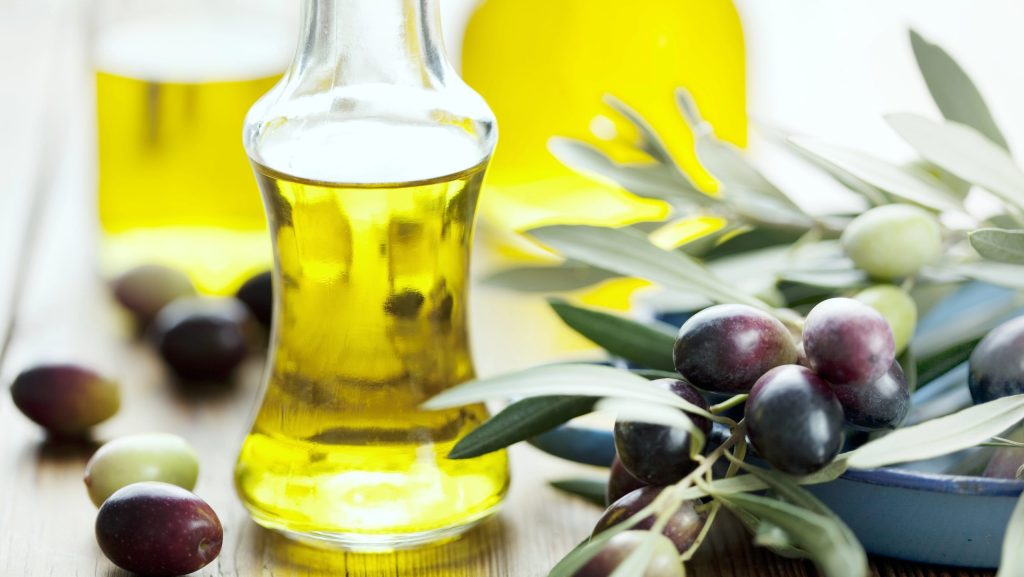
What About Extra Virgin Olive Oil?
Extra virgin olive oil (EVOO), is distinguished by its vibrant hue, intricate aroma, and multifaceted flavor palette, spanning from fruity essences to grassy undertones, sometimes punctuated by a peppery zest.
While many EVOOs are associated with cold-pressed methods, not all are produced this way.
However, cold-pressed EVOO is often regarded as higher quality, as it retains its full spectrum of flavors, antioxidants, and nutritional value.
Extra virgin olive oil isn’t just a fancy name. It represents high quality and health benefits.
Made from the first pressing of olives, it’s full of antioxidants and heart-friendly monounsaturated fats. Its low acidity, typically below 0.8%, highlights its superior quality.
Unpacking the Health Benefits of Olive Oil
To say olive oil is healthy might be the understatement of the century!
Every type of olive oil, from the cold-pressed variants to the regular ones, is brimming with health benefits.
Many of the cancer-protective benefits of olive oil come from its ability to lower inflammation, reduce oxidative stress, and support healthy cell function.
These effects have been linked to a lower risk of several cancers, including breast, gastrointestinal, and urinary tract cancers.
These benefits also offer a veritable shield against heart disease, thanks to their healthy fatty acids and natural antioxidants.
Antioxidants prevent harmful free radicals from oxidizing LDL, which makes this bad cholesterol more likely to stick to your artery walls.
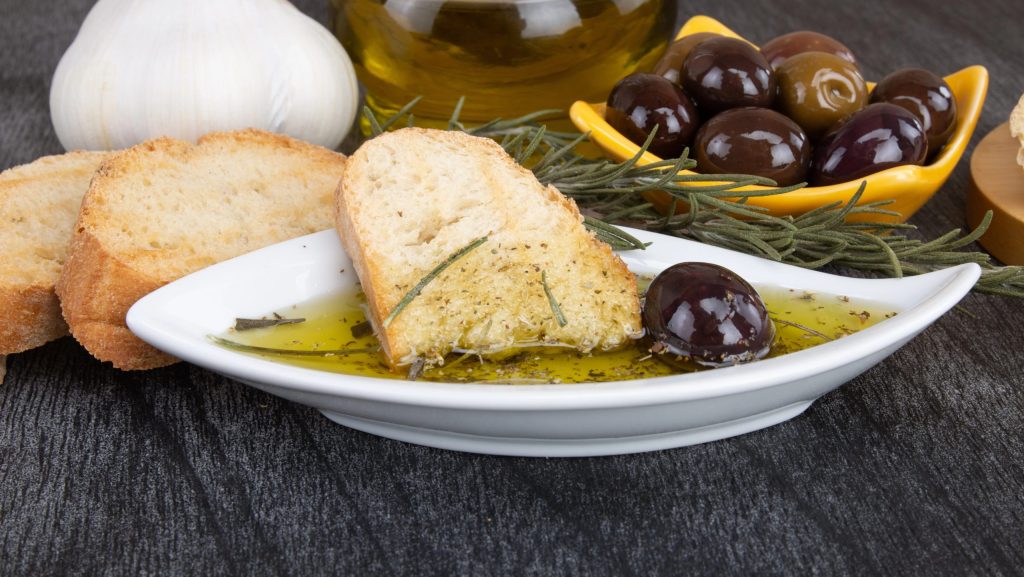
Oleic Acid
Oleic acid is a monounsaturated omega-9 fatty acid. Most commonly associated with olive oil, it is also present in avocados, nuts, and seeds.
Its potent antioxidant properties combat cell damage caused by free radicals.
Additionally, oleic acid has anti-inflammatory effects, making it effective in reducing the risk of chronic diseases including cancer.
In breast cancer research, oleic acid has been shown to suppress HER2 (erbB-2) expression. It also been may enhance the effectiveness of trastuzumab (Herceptin) in HER2-positive breast cancer cells (2).
While there is interest in oleic acid’s potential anti-cancer effects more broadly, current evidence is still emerging (3).
In addition to its cancer-protective effects, oleic acid also reduces bad cholesterol levels, regulates blood pressure, and supports brain health.
Hydroxytyrosol
Hydroxytyrosol is an exceptional compound known for its broad spectrum of health benefits. “It stands out as a powerful antioxidant that helps protect your cells from damage.
Studies suggest that hydroxytyrosol can slow cancer cell growth by helping the body remove unhealthy cells before they cause harm, a process called apoptosis (4).
Hydroxytyrosol also supports heart health. It may help reduce LDL (“bad” cholesterol) and prevent blood clots, both important for cardiovascular protection.
Oleocanthol
Oleocanthal is a powerful polyphenol found in olive oil that has shown exciting cancer-fighting properties.
Studies suggest that it can selectively kill cancer cells by breaking down their protective membranes, without harming healthy cells (5).
It may also help slow tumor growth and reduce the spread of cancer cells (6).
It also acts like a natural anti-inflammatory, similar to NSAID drugs like aspirin or ibuprofen — but without the same side effects.
By lowering inflammation throughout the body and targeting unhealthy cells, oleocanthal plays an important role in preventing cancer and slowing its growth.
Navigating the Olive Oil Aisle: Making the Perfect Choice
The best place to start is thinking about how you plan to use it.

Looking to craft top-tier salad dressings or delve deep into Mediterranean-inspired culinary masterpieces? Then cold-pressed extra virgin olive oil is the preferred choice.
Thanks to its careful extraction process that preserves the integrity of the oil, it boasts a robust and authentic flavor profile. This high-quality cooking oil excels in dishes where its unique character can be showcased, especially when used at a lower temperature.
In contrast, if your culinary adventures steer you towards high-temperature methods like sautéing or frying, regular olive oil is the more apt candidate.
It’s able to withstand higher temperatures, making it less susceptible to degradation under intense heat. Its subtle and accommodating flavor ensures it seamlessly melds with a dish’s ingredients rather than overshadowing them.
This adaptability, combined with its higher smoke point, cements its position as a versatile cooking oil, ideal for a variety of kitchen tasks.
Cold-pressed vs Regular Olive Oil: Which is Better?
In the battle between cold-pressed olive oil, regular, and extra virgin, which reigns supreme?
Cold-pressed extra virgin olive oil has the highest levels of antioxidants and polyphenols. It helps protect healthy cells and lowers the risk of cancer coming back. Use it for salad dressings, dips, and drizzling over cooked foods.
Regular olive oil is better for high-heat cooking like sautéing or roasting.
Light olive oil works for baking or frying but offers fewer health benefits.
Choose cold-pressed, extra virgin olive oil whenever you can. It helps protect healthy cells and supports long-term healing.

When You’re Ready, Here Are 3 Ways I Can Support You
If you’re tired of conflicting advice, second-guessing every decision, or wondering if any of it is actually making a difference, start here:
1. Download the Free Guide: 5 Morning Habits That Support Healing and Lower Recurrence Risk Start your day with simple, science-backed habits that help lower inflammation, stabilize blood sugar, and make your body less hospitable to cancer—in just 20 minutes or less.
2. Join the Facebook Group: Holistic Cancer Recovery for Women
For women who’ve had a cancer diagnosis and want clear, practical support—without strict rules, extreme protocols, or added stress. You’ll get simple tips, expert insights, and honest conversations about what really works in everyday life.
3. Listen to the Private Podcast: The Cancer Recovery Roadmap
Short, focused episodes that explain what often gets overlooked—like how cancer develops over time and how to build a cancer-resistant body without overhauling your entire life.