

Why Did I Get Cancer? Hidden Factors Most People Overlook
The question I hear all the time is: What caused my cancer, and what can I do about it now?
If you’ve ever been told your cancer was “just bad luck” or blamed on your genes, you know how empty that answer feels.
Maybe you’ve wondered if there were signs you missed. Or if things had been building up. Things that didn’t seem like a big deal at the time, but that slowly wore your body down.
I remember asking myself that same question after my own diagnosis. It wasn’t enough to chalk it up to chance. I needed to understand what had made my body more vulnerable.
And more importantly, what I could actually do about it?
In the first post in this series, I introduced the bucket theory—a way to understand how physical stressors, hidden imbalances, and environmental exposures can slowly build up in the body until it reaches a tipping point.
That’s when the bucket overflows. And that’s when cancer can take hold and grow.
If you haven’t read that one yet, check it out here: The Truth No One Tells You About Why Cancer Happens
In this post, we’ll look more closely at what might have filled your bucket before your diagnosis.
Not everything will apply, but taking time to think this through can give you the clarity you’ve been missing so you can begin to answer the question, What caused my cancer?
Because once you know what pushed your body out of balance you can start doing something about it.
From Dietitian to Cancer Patient: What I Overlooked
When I was diagnosed with stage 4 lymphoma, I kept asking the same question you might be asking: What made my body vulnerable to cancer in the first place?

I’m a dietitian. I have a Master’s in Public Health.
I ate well, exercised, and was even training for a half marathon.
By most standards, I was doing everything “right.”
But cancer still happened.
And I had to figure out why. Because if I didn’t understand what made my body vulnerable to cancer in the first place, how could I create an effective plan to support healing?
There wasn’t a single moment I could point to. No dramatic trigger. But there were things I had been ignoring.
The subtle gut symptoms that I chalked up to natural aging.
The sleep I kept sacrificing to fit everything in. Not to mention a snoring husband. (wink)
The pressure I put on myself to say yes, to keep going, to do more. That chronic stress was so constant I actually thought it was normal.
My need to do everything “perfectly,” even when there was no gas left in the tank. And of course, there is no such thing as perfect, so that alone was an endless stressor.
And yes, food played a role too. Food is medicine, after all. Even though I ate extremely well by most standards, I would come to learn there was still more I could do to support my body through nutrition.
Each one may have seemed small on its own. But together, they filled the bucket. And eventually, my body couldn’t carry it anymore.
That’s what I didn’t see. Not until after the diagnosis forced me to stop and pay attention.
That’s when I started thinking of my body like a bucket. Something that can only hold so much.
Every toxin, infection, sleepless night, and internal stressor adds to the load. And when it gets too full, something has to give.
The systems that used to protect you start to break down, allowing cancer to take hold and grow.
If I Contributed to My Illness, I Could Contribute to My Recovery
This idea changed everything for me.
There’s no blame here. Just a chance to understand what’s been missed, make meaningful changes, and feel hopeful again.
If certain things made my body more vulnerable to cancer, then removing those things and addressing what had gone undetected was the place to start.
And it all began by asking a simple question:
What was filling my bucket?
What Might Be Filling Your Bucket
Everyone has cancer cells in them at times, but not everyone gets cancer. Why?
In many ways, cancer is a perfect storm… a combination of factors that overload the immune system and put your body at a disadvantage when it comes to seeking out and destroying pre-cancer cells.
So what might that look like for you?

Here are some of the most common contributors I see in my clients who have had a cancer diagnosis:
Gut Health and Cancer Risk
Your gut plays a role in almost every system in the body. It influences your immune response, inflammation, nutrient absorption, and how you clear hormones like estrogen.
When the balance of gut bacteria is off. Even without obvious digestive symptoms, it can affect how your body functions day to day.
Frequent infections, new food sensitivities, skin reactions, gas, bloating, a lasting sense of fullness, or fatigue after eating are all signs that your gut might need more support.
But gut health doesn’t exist in a vacuum. One of the biggest influences on it—often overlooked—is chronic stress.
Poor Sleep and Cancer Risk
Sleep is when your body repairs, restores, and detoxifies. When you’re not getting consistent, high-quality sleep, it adds to your body’s burden.
It can disrupt hormone regulation, weaken your immune system, and increase inflammation. And all of these can make the body more hospitable to cancer.
If falling asleep, staying asleep, or waking up rested has been a struggle, it’s worth paying attention to. Even small improvements in sleep can lower the load on your bucket.

How Chronic Stress Creates a Cancer-Friendly Environment
Most women I work with don’t realize just how stressed they are.
But once we look at their nervous system using things like heart rate variability, resting heart rate, and other measures, it becomes clear their body is holding on to more than they realized.
Because stress doesn’t always look like anxiety or panic. Sometimes it looks like multitasking through meals, lying awake at night, saying yes to everything, or constantly running through your to-do list in your head.
And sometimes you’re so used to operating in “fight, flight, or freeze” mode that you think that level of stress is completely normal.
But over time, this chronic stress keeps the body in survival mode. It suppresses the immune system, impairs digestion, makes it harder to repair damage, and pushes blood sugar and hormone levels out of balance.
And when your body is stuck in survival mode, it also becomes harder to regulate another key system—blood sugar.
Blood Sugar Swings and Cancer Growth
When your blood sugar spikes and crashes throughout the day, it affects your energy, your hormones, and increases your risk of cancer.
Consistently high insulin levels can drive inflammation and send signals that promote cancer growth. This often happens when meals are heavy on carbs or sugar, or when protein is missing.
The goal isn’t to avoid all sugars, but instead to eat in a way that keeps your blood sugar steady while still nourishing your body. Learn more about sugar and cancer here.
Supporting blood sugar with food is one part of the equation. But how you move your body also plays a major role.

Why Daily Movement Is Critical After Cancer
Notice I didn’t say exercise. You don’t need long workouts, but you do need movement.
Daily movement supports your lymphatic system, helps clear cellular waste, improves blood sugar regulation, and reduces inflammation. All of which help suppress cancer growth and development.
If your energy has been low, or if you paused movement during treatment, it’s worth finding gentle ways to bring it back. Even short walks or light stretching can make a real difference.
Another load many women don’t realize they’re carrying? Daily exposure to toxins.
How Toxins Add to Cancer Risk Over Time
You’re likely exposed to more toxins than you realize—through food packaging, skincare products, cleaning supplies, and even your air and water.
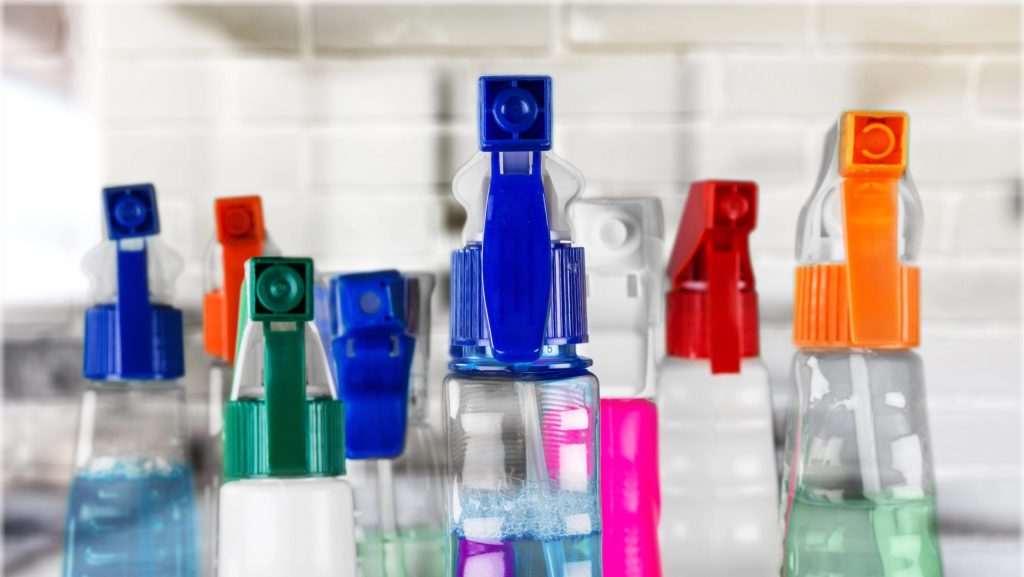
Your liver plays a central role in clearing toxins, excess hormones, and waste from the body. But when the toxic load gets too high from chemical exposures in food, products, or even the air, it simply can’t keep up.
When that happens, toxins can recirculate or get stored in fat tissue, increasing inflammation, interfering with hormone balance, and making it harder for your immune system to keep cancer cells in check.
And sometimes, it’s not what’s outside your body, but what’s been hiding inside that matters.
Hidden Infections and Viruses
Many people unknowingly carry viruses or bacterial infections that don’t cause obvious symptoms but still create low-level stress in the body. Epstein-Barr virus, Lyme and co-infections, dental infections, mold exposure, and reactivated viruses are just a few examples.
These don’t always show up on routine lab work, but they can overload your immune system and interfere with healing.
If you’ve had a history of chronic fatigue, swollen lymph nodes, low-grade fevers, or “mystery symptoms,” this may be worth exploring.
On top of that, there may be day-to-day habits that have quietly added to your bucket over time.
Everyday Habits That Increase Cancer Risk
It’s also important to look at habits that may have quietly added to your bucket over time, like alcohol use, smoking, or regular exposure to secondhand smoke.
These can drive inflammation, disrupt hormone balance, and put extra strain on detox pathways.
That’s not meant to scare you. It’s meant to help you see what’s possible.
Pause and Think About Your Own Bucket
Think about what may have been filling your bucket in the years leading up to your diagnosis.
What had been building and accumulating, maybe without you even realizing it?

Consider your diet, physical activity, sleep quality, stress, the health of your relationships, environment, and toxic exposure, including body care products and cleaning products.
Jot down all of the factors you believe may have contributed to your health challenges, and then circle what you believe to be the top two or three.
This is not a perfect science, but if you listen to your intuition, you will know what the most likely top contributing factors are.
When I Finally Stopped and Paid Attention
Looking back, I thought changing my diet would be the most important part of healing. But the real breakthrough came when I finally slowed down long enough to ask a different question:
What had been happening in my body in the years before my diagnosis that may have created an environment where cancer could grow?
That’s what I want you to think about now.
Go for a walk. Take a warm bath. Sit with a cup of tea. Let your mind wander back to that version of you, before cancer showed up.

What stands out now that didn’t seem like a big deal at the time?
What had you been carrying for years without even realizing it?
You don’t need to fix everything today.
But if you can name the top two or three things that were likely weighing your body down, that’s the first step toward changing them.
And each change you make helps lower the bucket.
What This Means for Your Cancer Recovery
Cancer doesn’t usually happen because of one thing.
It grows when stress, toxins, and internal imbalances quietly build over time, making it harder for your body to stay in balance.
That’s the truth most people aren’t told.
And it’s why figuring out what’s been filling your bucket matters so much.
Because once you understand what may have created the conditions for cancer to grow, you can begin to change those conditions.
One step at a time.
You don’t need to do it perfectly. You just need to start.
And you don’t have to figure it out alone

When You’re Ready, Here Are 3 Ways I Can Support You
If you’re tired of conflicting advice, second-guessing every decision, or wondering if what you’re doing is actually helping, these can help:
1. Download the Free Guide: 5 Morning Habits That Support Healing and Lower Recurrence Risk Start your day with simple, science-backed habits that help lower inflammation, stabilize blood sugar, and make your body less hospitable to cancer—in just 20 minutes or less.
2. Listen to the Private Podcast: The Cancer Recovery Roadmap
Short, focused episodes that break down what most conventional approaches miss, like how cancer develops over time and how to build a cancer-resistant body without overhauling your entire life.
3. Book a Complimentary Healing Clarity Assessment
We’ll talk through what you’ve tried, what’s helping (and what’s not), and get clear on what’s still leaving your body more vulnerable to cancer. Then we’ll map out your next best step to support healing and reduce your risk of recurrence, with a clear plan that makes sense for you.


