
Worst Foods for Your Lymphatic System (and What to Eat Instead)
Did you know your lymphatic system plays a major role in immune function—and that what you eat directly affects how well it works?
As a dietitian who was diagnosed with lymphoma, I’ve seen how much food can help—or slow—recovery. After years of research and supporting women through healing, I’ve learned what actually works… and what doesn’t.
Your lymphatic system clears waste, reduces inflammation, and helps your immune system stay focused. But certain foods can clog it up.
So in this blog, I’m breaking it all down…
What helps. What hurts. And what’s worth focusing on.
What is the Lymphatic System and Why Should You Care?
Your lymphatic system is like a highway in your body that carries lymph fluid. This clear fluid is made up of waste products, toxins, and excess fluid your body doesn’t need.
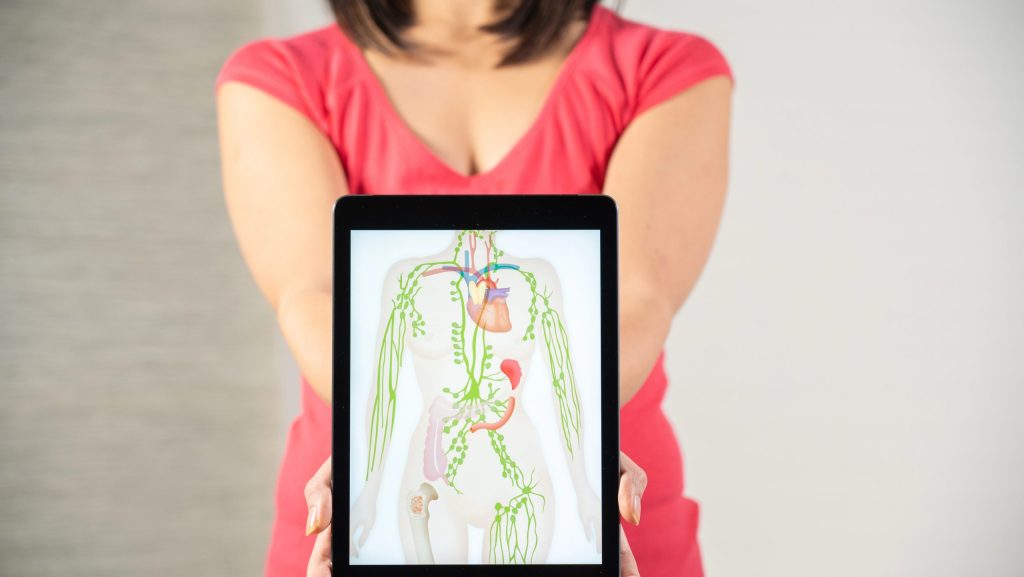
It works hand-in-hand with your circulatory system to maintain fluid balance and support immune function. It also helps your body absorb and transport fats and fat-soluble vitamins from your digestive system into your bloodstream.
As lymph travels along this highway, it stops at small structures called lymph nodes. These nodes act as filters, trapping and removing harmful substances like germs and toxins.
This system relies on muscle contractions, deep breathing, and movement to keep lymph moving. When it becomes blocked or sluggish, it can cause swelling, inflammation, and a higher risk of infection.
But it doesn’t stop there.
A sluggish lymphatic system also slows healing and makes it easier for cancer cells to grow.
Why? Because your lymphatic system clears waste, lowers inflammation, and strengthens immune defenses.
When toxins build up and inflammation rises, your body becomes more vulnerable—and chronic inflammation is known to fuel cancer growth.
That’s why it’s so important to keep your lymphatic system healthy.
And if you’ve had cancer, it matters even more.
Whether you’re newly diagnosed or years out of treatment, supporting your lymphatic system helps your body heal and lowers the risk of recurrence.
How Your Lymphatic System Keeps You Healthy
- Detoxifies (helps rid the body of toxic chemicals)
- Maintains a healthy immune system and produces white blood cells
- Supports fluid balance by preventing excess swelling and fluid buildup
- Absorbs and moves fat-soluble nutrients like vitamins A, D, E, and K into the bloodstream
Keeping your lymphatic system healthy matters for everyone, but it’s especially important if you’re recovering from cancer or managing lymphedema.
What is Lymphedema?
Lymphedema is a condition that causes swelling in the arms or legs due to excess fluid buildup in the lymphatic system (1). It can be both painful and unsightly.
For many of my clients, lymphedema isn’t just uncomfortable. It’s a constant reminder of what they’ve been through.

When lymph flows well, swelling goes down, energy improves, and my clients finally start to feel more in control of their bodies again.
While many factors can cause lymphedema, cancer treatment is one of the most common. This includes radiation or surgery that involves removing lymph nodes.
Keeping your lymphatic system healthy is one of the best ways to prevent and manage lymphedema.
Let’s look at what might be slowing it down.
Worst Foods for Your Lymphatic System
If you’re looking to support your lymphatic system, it’s important to know which foods can be harmful. In this quick guide, I’ll share some of the worst foods for your lymphatic system that you may want to avoid.
These foods can slow lymph flow and lead to toxic buildup—exactly what we don’t want when we’re trying to heal!
Limit or avoid these foods to keep your lymphatic system in tip-top shape.
Processed and Packaged Foods
Do you frequently turn to processed foods as a convenient and quick meal option? If so, you are not alone!
With our busy modern-day lifestyles, convenience foods have become a go-to for many.
During and after cancer treatment, it’s common to rely on convenience foods out of exhaustion or decision fatigue. But unfortunately, those same foods can slow healing.
Processed foods, such as fast food, frozen meals, and packaged snacks, are notorious for their high levels of unhealthy fats, sodium, sugar, and preservatives.
Even ‘healthy’ choices like protein bars or granola often come loaded with sugar, additives, and artificial ingredients that put stress on your lymphatic system.
These foods may put a strain on your lymphatic system, as they contain ingredients that disrupt the natural detoxification process of lymph.
Additionally, eating too much processed food can lead to increased body weight and inflammation, which may impair lymphatic function (2, 3). And inflammation, especially chronic inflammation, is known to increase cancer risk and slow healing.
Fried Foods
Have you ever noticed that fried foods can make you feel sluggish and uncomfortable?
That heavy, bloated feeling isn’t just in your head—fried foods may be clogging your lymphatic system and slowing recovery.
Those deliciously crispy snacks are usually cooked in unhealthy oils that contain trans and saturated fats. These unhealthy fats cause inflammation and oxidative stress in your body, which can clog up your lymphatic system fast.
Over time, these fats can build up and impair lymph flow, making it harder for your body to clear waste and heal. This can really impair your lymphatic system’s ability to function properly (4).
Fried foods also contribute to weight gain, adding more strain on the lymphatic system (5).
Once in a while is one thing. But if fried foods are a regular part of your routine, they could be making healing harder than it needs to be.

High-Sugar Foods
We all know how tempting those sugary treats can be, right? I mean, who can resist a delicious slice of cake or a bowl of ice cream?
But here’s the thing – high-sugar foods can actually take a toll on your lymphatic system!
Sugar spikes blood glucose and triggers inflammation. That makes it harder for your lymphatic system to clear waste and protect healthy cells.
Additionally, high-sugar foods are often full of empty calories, meaning they provide little to no essential nutrients. This leads to weight gain, which can strain your lymphatic system, making it difficult to clear waste from your body.
Pro-tip: Look out for “healthy” foods with hidden sugars, like breakfast cereals and energy drinks.
Want to learn more about sugar’s role in cancer? Read this next.
Processed Meats
You might be familiar with processed meats. These meats have undergone some kind of modification to improve their flavor, texture, or shelf life. Think sausages, hot dogs, bacon, and deli meats.
But did you know that these tasty treats are actually pretty unhealthy?
That’s because processed meats have lots of sodium, nitrates, and unhealthy fats that cause inflammation and damage lymphatic vessels. That can really mess up how your lymphatic system works!
They offer little nutritional value and contribute to weight gain, which adds pressure to the lymphatic system.
They’ve also been linked to a higher risk of colorectal and stomach cancers—adding even more strain when your body is trying to heal.
So as much as you may love your bacon and deli sandwiches, it’s important to keep your processed meat intake in check for the sake of your health!
Red Meat
Conventional red meat is often high in saturated fats, which can contribute to congestion in the lymphatic system.
It may also contain toxins and pesticides that can be harmful to our lymphatic system (6).
Animals raised conventionally are often treated with antibiotics and growth hormones, which can remain in their meat and be ingested.
Additionally, conventional meat may be exposed to pesticides and other chemicals through the feed that the animals consume. These toxins can build up in the body and slow the detox work your lymphatic system is trying to do.
Not great news, right?
But there’s a glimmer of hope! Pasture-raised red meat generally contains fewer saturated fats and more nutrients. It also reduce your exposure to hormones and chemicals, making it a healthier option for our lymphatic system.
But hold on just a sec- that doesn’t mean you should start eating all the pasture-raised red meat you can find! It’s still important to balance your intake of red meat with plenty of fruits and vegetables to support overall lymphatic health.

Salty Foods
While it might be easy to reach for high-sodium snacks, doing so can actually impair your lymphatic health. It’s true!
Too much salt causes your body to hold onto water, which can lead to swelling and slow down lymph flow.
So if you’re looking to take care of your lymphatic system, it’s a good idea to minimize salt intake and opt for whole, unprocessed foods as often as possible.
Alcoholic Beverages
It turns out that excessive alcohol consumption can harm your lymphatic system. Say it isn’t so!
Unfortunately, alcohol slows down your lymphatic function by causing dehydration and overloading your liver with toxins. Yikes!
On top of that, alcohol increases inflammation, which can block lymph flow and make it harder for your immune system to function well.
If you drink alcohol, be sure to consume it in moderation- your lymphatic system will thank you for it! And if your goal is cancer recovery or lowering recurrence risk, it may be worth scaling back even more.
Caffeine
Do you find yourself reaching for that second (or third) cup of coffee to get through the day? While caffeine may give you a quick boost of energy, it can actually harm your lymphatic system if you overdo it.
Here’s why: Caffeine pulls water from your system, and that dehydration can slow lymph flow and interfere with detoxification. Not great news, right?
But wait, there’s more! Too much caffeine can also spike cortisol, which increases inflammation and slows healing. Yikes!
Try to moderate caffeine intake and stay hydrated for lymph’s sake! This means drinking plenty of water throughout the day to counteract the dehydrating effects of caffeine.
Pro-tip: If you’re looking for a healthier alternative to coffee, consider green tea or herbal tea. These not only provide a gentler caffeine boost, but they also come with added health benefits.
Artificial Sweeteners
Artificial sweeteners, like the ones in diet soda and sugar-free foods, can actually harm your lymphatic system. It might be surprising, but it’s true!
When you consume artificial sweeteners, your body doesn’t process them in the same way as regular sugar.

This can cause imbalances in your gut microbiome (the healthy bacteria that live in your gut). These imbalances in gut bacteria can increase inflammation and make it harder for your lymphatic system to work effectively.
Plus, many artificial sweeteners are high in sodium, which as we know, can cause water retention and put a strain on your lymphatic system.
In fact, some studies suggest a link between artificial sweeteners and the risk of lymphoma, a type of cancer that affects the lymphatic system (7).
So if you want to keep your lymphatic system functioning properly, be mindful of how much artificial sweetener you’re consuming.
Pro-tip: Better options include small amounts of honey, maple syrup, or low-calorie natural sweeteners like monk fruit and stevia.
Trans Fats
So, you know those yummy but not-so-healthy foods like doughnuts, cookies, or some types of margarine? Well, those usually contain trans fats, and they’re not great for you.
Trans fats are made by adding hydrogen to oils to make them last longer. Found in margarine, processed foods, salad dressings, baked goods, and fried foods, they wreak havoc on your lymphatic system.
They raise LDL (bad cholesterol), lower HDL (good cholesterol), and increase inflammation—all of which put extra strain on your lymphatic system.
Not only that, but trans fats have been linked to serious medical conditions like heart disease, diabetes, and obesity. And all of these conditions are linked to higher cancer risk and slower healing.
Guar Gum
Have you ever checked a label and noticed an ingredient called guar gum? It’s a type of soluble fiber that helps thicken and stabilize processed foods.
Although a small amount is not necessarily harmful, too much of it can cause digestive problems like bloating and gas.
When you eat foods with guar gum or other thickeners, it creates a sticky, gel-like texture in your digestive system. This slow digestion, which makes it harder for your body to move out waste efficiently (7).
If waste builds up in your body, it can cause inflammation and strain your lymphatic system.
Lymph-Friendly Foods That Support Healing
As a dietitian who’s interested in optimizing my lymphatic system, I’ve done a deep dive into how to keep lymphatic function in tip-top shape. And good news! There are so many delicious foods that support a healthy lymphatic system and make healing easier.
You’ve seen how important your lymphatic system is for clearing waste and supporting immunity. Now let’s talk about what helps it work better.
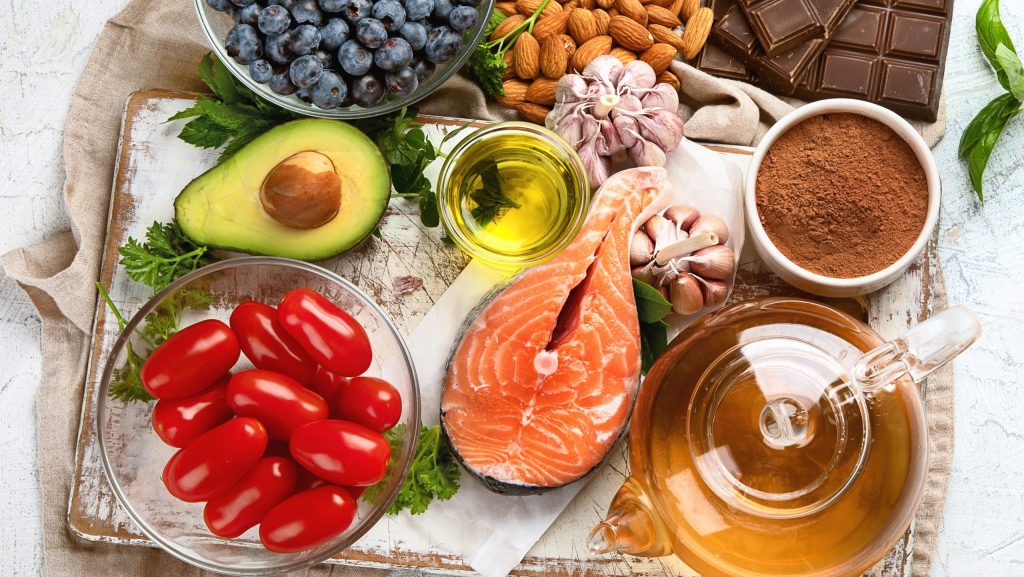
Luckily, many of the foods that are good for your lymphatic system are also just generally good for your overall health. Think whole foods like fresh fruits and veggies, whole grains, lean proteins, and healthy fats.
So, without further ado, let’s dive into some of the best foods to eat to support a healthy lymphatic system.
Citrus Fruit
Citrus fruits like oranges, lemons, and grapefruits are high in vitamin C.
You’ve probably heard that vitamin C can help ward off infections. That’s because vitamin C helps your body produce lymphocytes, a type of white blood cell that defends against infection.
Vitamin C is also a powerful antioxidant that can help protect the lymphatic system from free radicals and oxidative stress.
In addition to vitamin C, citrus fruits contain compounds called flavonoids. Flavonoids also reduce inflammation and support lymph flow, which helps your body clear waste more efficiently.
So, next time you’re looking for a healthy snack, reach for an orange or a grapefruit. Your lymphatic system will thank you!
Dark Leafy Greens
Dark leafy greens are nutritional powerhouses that support healthy lymph flow.
Greens such as spinach, kale, and collard greens are rich in chlorophyll, the green pigment found in plants.
Chlorophyll supports liver detoxification and reduces inflammation, both of which ease the burden on your lymphatic system.
Dark leafy greens are also high in vitamin C, vitamin E, and beta-carotene. Their antioxidant content helps reduce inflammation and protect lymph vessels from damage.
Berries
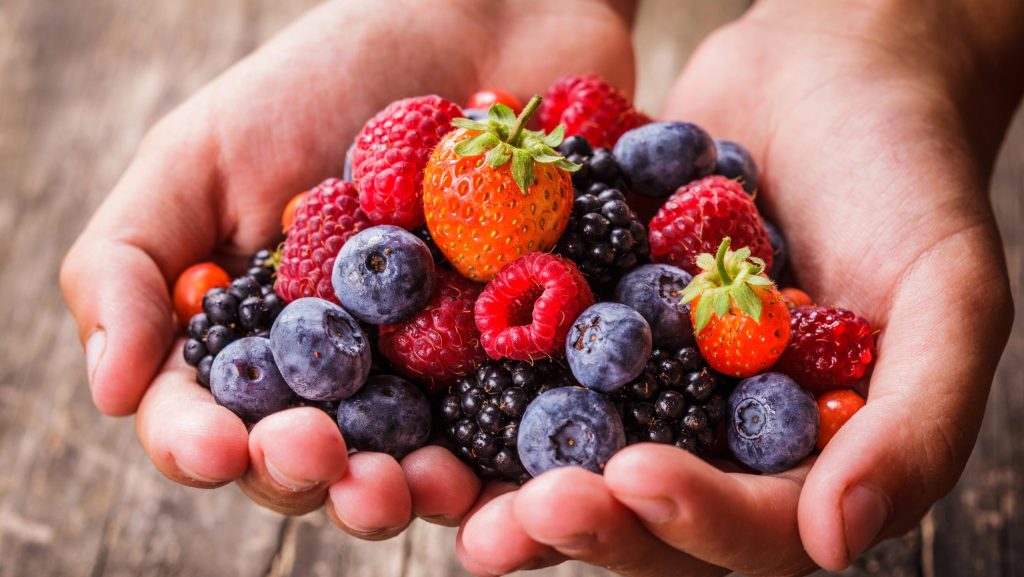
Berries are packed with antioxidants and phytochemicals that help to protect the lymphatic system from oxidative stress and damage.
They also contain fiber, which helps keep your digestion moving and eases the burden on your lymphatic system by reducing waste buildup.
Best Berries for Lymphatic Health
- Blueberries
- Cranberries
- Strawberries
- Raspberries
- Blackberries
Pro-tip: Try to buy organic when possible, since berries are often high on the list for pesticide residue.
Ginger
You’ve probably heard that ginger is anti-inflammatory. Did you know it also has immune-boosting properties that support overall lymphatic health?
Ginger acts as a natural diuretic, helping reduce fluid buildup and support lymph flow, especially when used regularly (8). Its warming effect may also promote circulation, which is key for keeping lymph moving.
Garlic
Garlic is a natural detoxifier. It contains sulfur compounds that help your body eliminate toxins and waste from the body, promoting optimal lymphatic drainage.
Known for its strong flavor and potential health benefits, garlic contains bioactive compounds, such as allicin, that help calm inflammation and support healthy lymph flow.
Turmeric
Turmeric is a powerful anti-inflammatory spice that contains curcumin, a compound known for its antioxidant properties.
Curcumin helps reduce inflammation and oxidative stress, making it easier for your lymphatic system to do its job.
Additionally, curcumin has potential immune-modulating effects, which may support the overall health of the lymphatic system.
Probiotic-rich Foods
Probiotic-rich dairy products and foods such as yogurt, kefir, sauerkraut, and kimchi contain beneficial bacteria that support a healthy gut microbiome.
A balanced gut microbiome helps regulate inflammation, support detoxification, and reduce the load on your lymphatic system.
Nuts and Seeds
Nuts and seeds like almonds, walnuts, chia seeds, and flaxseeds are excellent sources of healthy fats, fiber, and antioxidants that support lymphatic health.
Their fiber and anti-inflammatory fats help reduce swelling and support lymph flow.
They also help stabilize blood sugar, which is important for keeping inflammation low after cancer.

Green Tea
Green tea contains catechins, antioxidants that support your immune system and help it respond more effectively to threats like viruses, toxins, and even cancer cells (9).
When you drink green tea, these catechins go into action, supporting lymph flow and immune function, which are essential during and after cancer recovery.
Matcha, a powdered form of green tea made from whole leaves, contains even more antioxidants—and offers the same lymph-supporting benefits in a more concentrated form. Learn more about green tea vs matcha HERE.
This added support can make a big difference when your body is healing or managing long-term risk.
Beets
Have you ever tried beets? These ruby red root veggies are a great addition to any diet, especially if you’re looking to support a healthy lymphatic system.
Here’s how: beets are rich in betalains. These healthy plant compounds reduce inflammation, protect against oxidative stress, and thin the bile produced by the liver (10).
By supporting liver function and reducing inflammation, beets help keep lymph moving and make it easier for your body to eliminate toxins..
Since inflammation and oxidative stress can impair the lymphatic system, adding beets to your diet can be a great way to support your health.
Plus, beets have lots of fiber, which keeps things moving smoothly in your digestive system. This promotes the healthy elimination of toxins, easing the burden on your lymphatic system.
Pro-tip: Try them roasted, boiled, or blended into a smoothie for an easy way to support detox and lymph flow.
Water
Last but certainly not least, drinking plenty of water is crucial for maintaining optimal lymphatic health!
Water keeps lymph fluid moving, which helps your body clear toxins and reduce inflammation (11).
Healthy lymph should flow like a clear river, smooth and easy. Unhealthy lymph can look more like sludge or a thick, yellowish oil, and flow very slowly, if at all.
When you’re hydrated, your lymphatic system can do what it’s designed to do. It more effectively removes what doesn’t belong and helps your immune system stay focused on healing.

Everyday Ways to Boost Lymphatic Health
Exercise. Walking, yoga, and rebounding (jumping or dancing on a mini trampoline) are especially good choices to keep your lymphatic fluid moving.
Deep belly breathing. When you breathe deeply into your lower belly, your diaphragm massages the lymphatic vessels and promotes drainage. It also helps reduce stress and inflammation.
Dry brushing. Using a special brush with stiff bristles, gently massage your skin in a circular motion toward your heart. This stimulates lymph flow and promotes circulation and detoxification.
Lymphatic Health: Avoiding the Bad, Embracing the Good
Think of your lymphatic system like a river. Just like a river can become clogged with debris, your lymphatic system can become blocked with toxins and waste.
Some foods clog your lymphatic system. Others help it flow. Knowing the difference can change everything.
When you cut back on what slows lymph down and add more of what helps it flow, your body will experience huge benefits. So go ahead, give it a try!

When You’re Ready, Here Are 3 Ways I Can Support You
If you’re tired of conflicting advice, second-guessing every decision, or wondering if any of it is actually making a difference in your cancer journey, start here:
1. Listen to the Private Podcast: The Cancer Recovery Roadmap
Short, focused episodes that explain what often gets overlooked—like how cancer develops over time and how to build a cancer-resistant body without overhauling your entire life.
2. Download the Free Guide: Top 5 Cancer-Busting Smoothie Ingredients
Start your day with simple, science-backed habits that help lower inflammation, stabilize blood sugar, and make your body less hospitable to cancer—in just 20 minutes or less.
3. Join the Facebook Group: Holistic Cancer Recovery for Women
For women who’ve had a cancer diagnosis and want clear, practical support—without strict rules, extreme protocols, or added stress. You’ll get simple tips, expert insights, and honest conversations about what really works in everyday life.