
Algae Oil vs Fish Oil: Which is the Best for You?
You’ve probably heard that omega-3s are important for keeping your brain sharp, reducing inflammation, and helping lower the risk of cancer. But did you know they come from different sources?
Yup—you can get them from fish oil, or from algae, a vegan option that’s becoming more popular, especially for those focused on healing and prevention.
We’ll review the benefits and potential risks of both options, so you can make an informed decision. Plus, you’ll find tips on how to choose the best foods or supplements for your needs.
Because if you’re healing from cancer or trying to prevent it from coming back, quality and form matter.
The right omega-3 can help your body recover and make it harder for cancer to return.
And even if cancer isn’t your focus, omega-3s still reduce inflammation and lower the risk of chronic diseases like heart disease and diabetes.
So, let’s dive in and learn more about these two sources of omega-3s and how they can benefit your health!

What are Omega-3 Fatty Acids?
Omega-3s are essential fats, meaning your body can’t make them—you have to get them from food or supplements. They play a key role in brain function, calming inflammation, supporting heart health, and lowering the risk of certain cancers.
There are three types of essential omega-3s: eicosapentaenoic acid (EPA), docosahexaenoic acid (DHA), and alpha-linolenic acid (ALA).
ALA has to be converted into EPA and DHA to be useful, but that process is slow and inefficient. Since EPA and DHA are the forms your body can actually use and have the most evidence supporting their benefits, we’ll focus on those.
DHA and EPA are found mostly in fatty fish, algae, and seaweed.
Two servings of fatty fish a week usually cover basic needs. But if you don’t eat fish regularly, you may need a supplement. Aim for at least 500 milligrams of omega-3s per serving.
This is especially true if you’re recovering from cancer, managing inflammation, or want extra support for your brain and heart.
For a more natural source, look for a supplement made from wild Alaskan salmon, krill oil, or algae oil (a vegetarian source).
Health Benefits of Omega-3 Fats
Reduced Risk of Cancer. Omega-3s may lower the risk of certain cancers, including breast and ovarian cancer (10,11,12). They support cell signaling and immune function, both key for cancer prevention and lowering recurrence risk.
Brain Health. Omega-3s are essential for both brain development and daily brain function. They may improve memory, mood, attention, and decision-making. A systematic review also suggests they may reduce the risk of Alzheimer’s disease (1).
Heart Health. According to the American Heart Association, omega-3s can lower triglycerides, reduce blood pressure, and help prevent blood clots. Their anti-inflammatory effects make them especially helpful for protecting your heart (2,3,4).
Joint Health. Omega-3 fatty acids can help reduce joint pain and stiffness, and may also help prevent the development of rheumatoid arthritis and other inflammatory joint conditions (5).
Eye Health. These fats support vision and may help prevent age-related macular degeneration. They can also improve dry eye symptoms. (6,7).
Skin Health. Omega-3s help reduce inflammation in the skin and may offer protection from sun damage (8,9).
Mood. Studies show that omega-3s may reduce symptoms of depression and anxiety. They also support a more stable mood overall (13, 14).
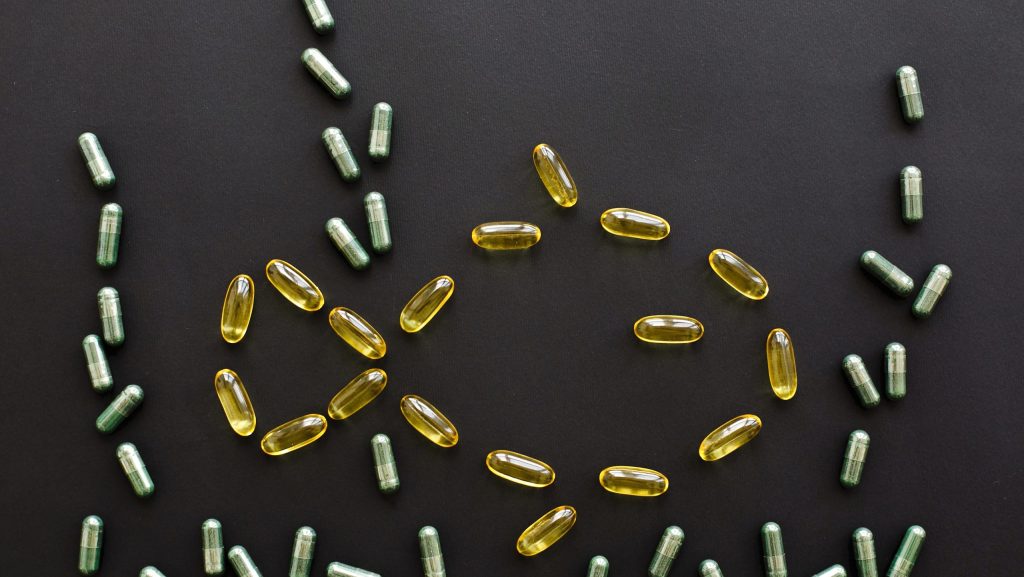
Now that we’ve covered the benefits of omega-3s, let’s compare two top sources: algae oil and fish oil.
Algae oil is one of the best plant-based sources of omega-3s. It’s a great option for vegetarians and vegans.
Fish oil, of course, comes from fish.
But there’s more to the story. Let’s break down the differences so you can decide which one is the better fit for your body and your goals.
What is Algae Oil
Algae oil is extracted from certain types of marine algae, tiny organisms found in oceans, lakes, rivers, and even damp soil.
It’s naturally rich in DHA (docosahexaenoic acid), which supports brain and eye health. It also contains EPA (eicosapentaenoic acid), though usually in lower amounts than fish oil.
Algae oil is considered a more sustainable and eco-friendly source of omega-3s compared to fish oil.
Unlike fish oil, which is often obtained from wild-caught fish and can contribute to overfishing and ecosystem disruption, algae can be grown in controlled environments and harvested sustainably.
This controlled process also makes contamination less likely.
Many women I work with choose algae oil—especially during or after cancer—because they want to avoid hidden toxins.
Algae oil is also vegan, making it an excellent choice for those who follow a plant-based or vegetarian diet.
In nature, it is consumed by fish and converted into omega-3 fatty acids. WBy taking algae oil directly, you get those omega-3s at the source, without needing the fish!
That means fewer potential toxins to worry about, which is one more reason it’s often preferred during cancer recovery.
Pro-tip: Algae oil is best consumed as a supplement. Though algae oil is available as a cooking oil, it is highly refined (processed).
Types of Algae Oil
Schizochytrium: Known for its high DHA content and is commonly used in algae oil supplements.
Nannochloropsis: Commonly used in algae oil supplements. It contains both EPA and DHA.
Spirulina: Contains lower levels of EPA and DHA compared to other types of algae.
Chlorella: Occasionally used in algae oil products, but it is not as common as Schizochytrium or Nannochloropsis.
Of all the options, Schizochytrium and Nannochloropsis are the most effective for delivering meaningful amounts of EPA and DHA.
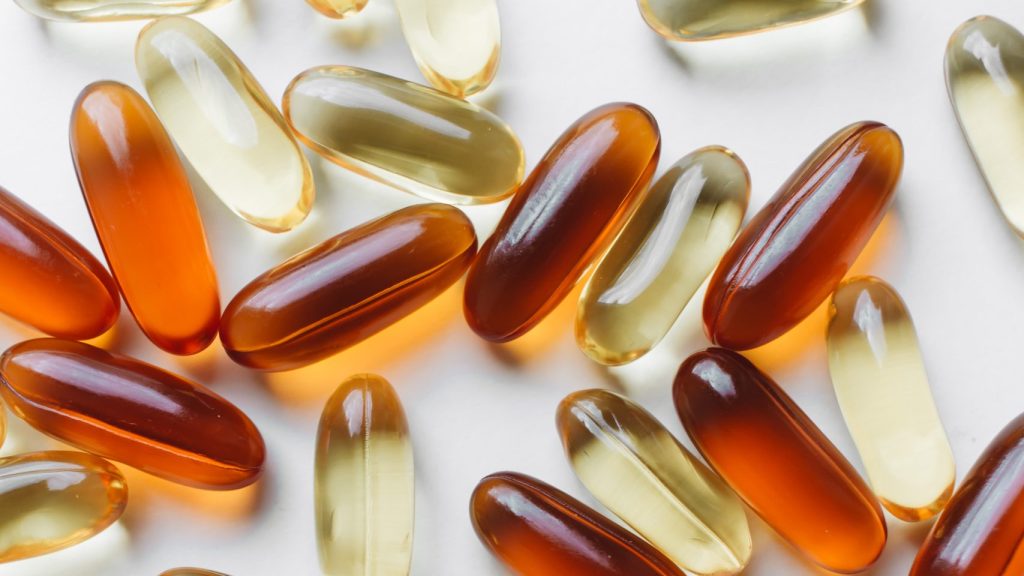
How is Algae Oil Processed? (and Why You Should Care)
Algae oil is typically processed either by wet extraction or solvent extraction. The method used affects the quality of the oil and is something to pay close attention to when choosing a supplement.
Wet extraction breaks down the cell walls of the algae using heat, pressure, or enzymes. The oil is then separated and concentrated, resulting in a high-quality product rich in omega-3s.
Solvent extraction uses solvents such as hexane or ethanol to extract the oil from the algae. This method is faster and more efficient but may leave behind traces of solvents.
After the oil has been extracted, it is typically purified and tested for contaminants such as heavy metals, toxins, and pollutants. This step helps ensure the final product is safe to consume.
Pro-tip: Since hexane is a known carcinogen, always check whether your algae oil has been purified and tested by a trusted third party. Best to choose a product that is hexane free.
Sustainability
Algae oil is a sustainable and eco-friendly alternative to fish oil.
Algae is a renewable resource that can be grown quickly and easily, without needing large amounts of land, water, or chemical fertilizers. It also doesn’t rely on fishing practices that disrupt marine ecosystems.
If you’re looking to lower your environmental impact while supporting your health, algae oil is one of the most responsible choices.
How to Choose an Algae Oil Supplement
Source. Choose algae oil made from microalgae that has been grown in clean, controlled environments. Microalgae are the most common source used in high-quality supplements.
Purity. Check the label and the company’s website for third-party testing and quality certifications. Look for products verified by USP or made in GMP-certified facilities to ensure safety and consistency.
Omega-3 Content.A good supplement should provide at least 250 to 500 milligrams of DHA and 100 to 250 milligrams of EPA per serving.
Additional Ingredients.Review the full ingredient list. Avoid supplements with artificial preservatives, colors, or unnecessary additives.
Always talk to your provider before starting a new supplement, especially if you’re taking medication or healing from cancer.

What is Fish Oil
Fish oil is a well-known source of omega-3 fatty acids, essential nutrients that support brain, heart, and immune health.
The biggest benefit of fish oil is its high content of EPA and DHA, the two forms of omega-3 your body can use right away.
Pro-tip: Choose smaller cold-water fish like salmon, anchovies, mackerel (not king mackerel), and sardines. These fish are naturally high in omega-3s and tend to have lower levels of mercury and other contaminants.
Types of fish oil
Cod liver oil. Extracted from the liver of the cod fish, this oil is a good source of vitamin A, vitamin D, and omega-3 fatty acids. However, the vitamin A content can be very high, which may be harmful in large amounts.
Krill oil. Derived from Antarctic krill, a small, shrimp-like crustacean, this oil provides a significant amount of omega-3 fatty acids. Krill oil supplements may be better absorbed than traditional fish oil (15) and contain astaxanthin, a powerful antioxidant found naturally in krill. (16).
Salmon oil: Made from salmon, a fatty fish rich in omega-3s. It may also contain astaxanthin, the antioxidant responsible for salmon’s pink color.
Sardine oil: Sardine oil is derived from sardines, a small, oily fish that is an excellent source of omega-3 fatty acids. ecause sardines are low on the food chain, their oil tends to have fewer contaminants.
Tuna oil: Tuna oil is derived from tuna, a large, predatory fish that is a rich source of omega-3 fatty acids. However, tuna may also contain high levels of mercury, so this type of oil may not be ideal for regular use.
How is Fish Oil Processed? (and Why You Should Care)
Fish oil is typically processed using either molecular distillation or cold-pressing.
Molecular distillation separates the omega-3 fatty acids from other components of the fish, such as heavy metals, toxins, and pollutants. The fish oil is heated and then condensed.
Cold-pressing involves pressing the oil out of the fish without the use of heat. This process preserves the natural nutrients in the fish oil, but may not remove all of the contaminants.
Once the fish oil has been extracted, it is typically purified and tested for contaminants such as heavy metals, toxins, and pollutants.
It may also go through an additional step to reduce strong odors or aftertaste.
Pro-tip: Always choose fish oil that has been purified and third-party tested. Poor-quality fish oil can increase oxidative stress, which is the last thing you want if you’re dealing with inflammation, recovering from illness, or recovering from cancer.

How to Choose Fish Oil Supplements:
When it comes to choosing the best type of fish oil, there are several factors to consider.
Source. Look for fish oil that is sourced from wild-caught fish such as salmon, mackerel, sardines, anchovies, or herring.
These fish are generally high in omega-3 fatty acids and are less likely to contain contaminants like mercury and PCBs. Avoid farmed fish as they are often given antibiotics and carry higher levels of toxins.
Purity. Choose a fish oil supplement that has been purified and tested for contaminants. Look for third-party certifications such as IFOS (International Fish Oil Standards) or MSC (Marine Stewardship Council). These help ensure quality and safety.
Omega-3 Content. A high-quality fish oil supplement should contain at least 500 milligrams of combined EPA and DHA per serving.
Freshness. Choose a fish oil supplement that is fresh and has not been exposed to air or light, which can cause it to become rancid. Look for products that are stored in dark, opaque bottles and that have an expiration date.
Additional Ingredients. Fish oil supplements may contain additional ingredients.Read the full label. Avoid anything with artificial additives or preservatives.
It’s important to talk to your healthcare provider before starting any new supplement, especially if you are taking medications or recovering from cancer.
Algae Oil vs Fish Oil: Which is the Best for You?
Algae oil is a vegan and sustainable source of plant-based omega-3s.
It’s an excellent choice for those who want to avoid fish, lower their exposure to contaminants, or reduce their environmental impact.
On the other hand, fish oil supplements are generally easier to find and often cost less than algae oil. A high-quality fish oil is properly processed and purified to reduce the risk of contaminants.
Whether you prefer a vegan diet, are allergic to fish, or are just looking for a sustainable alternative to fish oil, algae oil may be the better choice for you.
But if you prefer taking a supplement derived from fish, fish oil is a great option as well. Just make sure it is wild-caught and properly processed to eliminate any potential toxins.

When You’re Ready, Here Are 3 Ways I Can Support You
Feeling overwhelmed by all the advice out there—including what to eat, what to avoid, and which supplements to take? Here are 3 things that can help:
1. Download the Free Guide: Top 5 Cancer-Busting Smoothie Ingredients
Start your day with simple, science-backed habits that help lower inflammation, stabilize blood sugar, and make your body less hospitable to cancer—in just 20 minutes or less.
2. Join the Facebook Group: Holistic Cancer Recovery for Women
For women who’ve had a cancer diagnosis and want clear, practical support—without strict rules, extreme protocols, or added stress. You’ll get simple tips, expert insights, and honest conversations about what really works in everyday life.
3. Listen to the Private Podcast: The Cancer Recovery Roadmap
Short, focused episodes that explain what often gets overlooked—like how cancer develops over time and how to build a cancer-resistant body without overhauling your entire life.