Air Fryer: Healthy Hero or Cancer-Causing Culprit?
You bought an air fryer to make healthier meals. But now you’re hearing it might raise cancer risk. So what’s the deal?
As a Registered Dietitian and Cancer Recovery Coach, I get a lot of questions about whether air fryers are truly safe.
Time to unpack the truth. Is your air fryer the healthy upgrade it claims to be… or just the lesser of two evils?
Unraveling the Debate on Air Fryers and Cancer
Air fryers have gained popularity for their promise of providing a healthier way to enjoy fried foods. They claim to make crispy, delicious foods with less oil, cutting calories and reducing health risks.
But let’s take a closer look to see if they really live up to the hype!
Some studies suggest air frying may reduce harmful compounds compared to deep frying- and that’s a good thing!
On the flip side, there’s research showing that cooking some foods at high heat—like in an air fryer—can create harmful chemicals linked to cancer risk..
And depending on how they’re used, air fryers may release fumes or particles that could be harmful if you’re exposed to them too often.
That’s why it’s important to stay informed and use credible sources when it comes to your health. We may not have every answer yet, but we do know a few smart ways to minimize risk and still get the benefits.
What is an Air Fryer and How Does it Work?
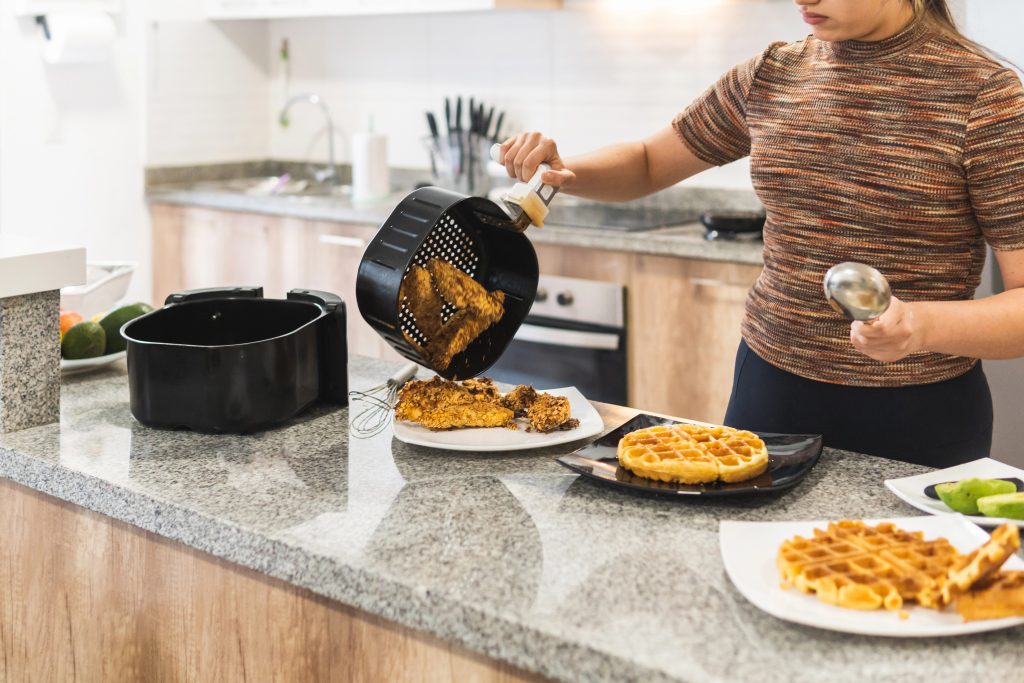
Air fryers have become a go-to kitchen gadget because they cook food with hot air instead of deep frying, giving you that crispy texture with way less oil.
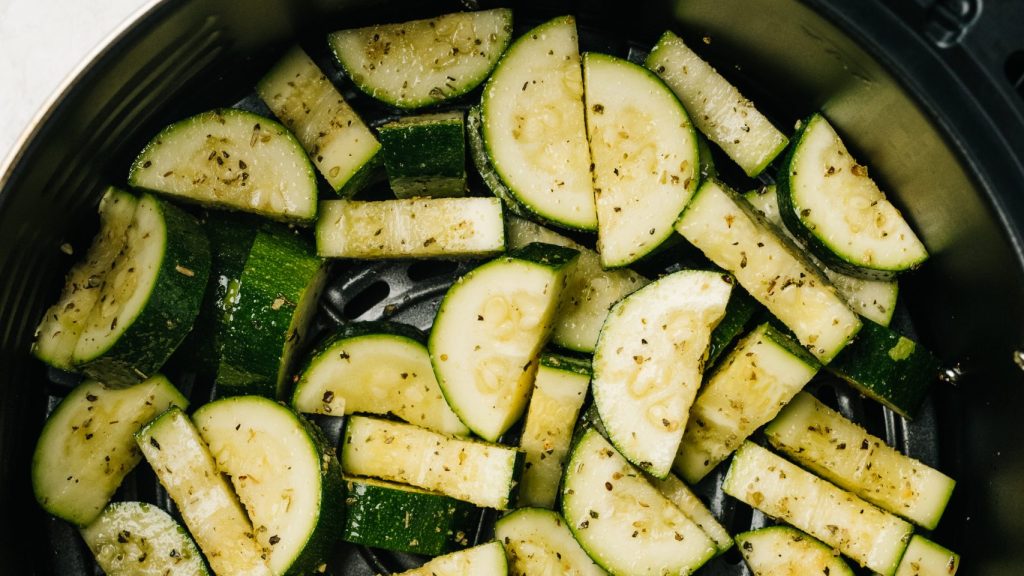
Think of it like a mini countertop oven. It uses a heating element and fan to circulate hot air and cook food evenly. Great for crispy fries, juicy chicken, even roasted zucchini!
That’s the appeal… getting that satisfying crunch without needing to deep-fry. It can be a guilt-free way to enjoy your favorite fried foods!
Plus, air fryers are so versatile. You can cook everything from veggies to desserts.
Still, not everything that goes in an air fryer is automatically healthy. Portion size and the type of food still matter.
Air Fryers vs Deep Fryers
Air fryers and deep fryers are two different methods of cooking that result in crispy and delicious fried foods. The main difference between them is the amount of oil used for cooking.
Air fryers use very little oil. Deep fryers need a lot.
Air frying is generally better for those watching their fat and calorie intake. Deep frying typically creates foods that are high in unhealthy fats, calories, and cholesterol.
Air fryers usually take longer to cook food, and that extra time at high heat may increase the risk of harmful compounds forming (more on this later).
Let’s take a look at the pros and cons of air fryers to help you decide what’s best for you.
Understanding Air Fryers: Health Claims and Reality
Just like a gym membership won’t make you fit, an air fryer won’t automatically make meals healthy. It depends on how you use it and what you put into it.
Air fryers can help cut back on oil, but what really matters is the kind of food you’re cooking and how much of it you eat.
Sure, making fries from fresh potatoes in an air fryer is better than deep frying. But it’s not the same as building a balanced meal with veggies and protein.
Air frying frozen foods like nuggets or fries might be convenient, but they still come with added sodium, fat, and preservatives.
While an air fryer can be part of a well-rounded healthy eating plan that includes whole, unprocessed foods, it’s not a magic bullet.
Health Benefits of Air Fryers
Less oil. You can get that crispy texture without pouring on the oil. That means fewer calories and less fat.
Healthier cooking. Air-fried foods come out crispy without all the extra fat, which makes them a good option if you are watching your fat intake.
Convenient and time-saving. They often cook food faster than ovens, which can be helpful when time is tight.
Retained flavors and nutrients. Shorter cook times may help preserve both flavor and nutrients.
Easy to clean. Most have dishwasher-safe parts, which makes cleanup much easier.
Support a healthy weight. Eating less fat and fewer calories may support weight and heart health over time.
Versatility. You can use them for everything from chicken wings and sweet potatoes to roasted veggies and desserts.
Reduced risk of harmful compounds. Compared to deep frying, air frying may reduce harmful compounds that form at high heat.
Safer option. Since there’s no hot oil, the risk of burns or accidents is lower.
Flavorful results. You still get great flavor and texture without a lot of oil, which is why so many people love using them.
Separating Fact from Fiction: Air Fryers, Cancer, and Other Health Concerns
We don’t have all the answers yet, but it’s still worth paying attention to the possible risks that come with air fryer use..
Let’s walk through some of the risks and what you can do to lower them.
Air Frying and Acrylamide
Some cooking methods, including air frying, can produce a harmful chemical called acrylamide. The Environmental Protection Agency has classified acrylamide as a probable human carcinogen, which means it likely causes cancer.
Acrylamide forms when certain foods are cooked at high temperatures, typically over 248°F (120°C), no matter how they’re cooked.
How much forms depends on the food, how hot it gets, and how long it cooks.
In general, the hotter and longer the cooking, the more acrylamide forms. (1). It is the temperature that matters most, not the cooking method.
Foods Most Likely to Produce Acrylamides
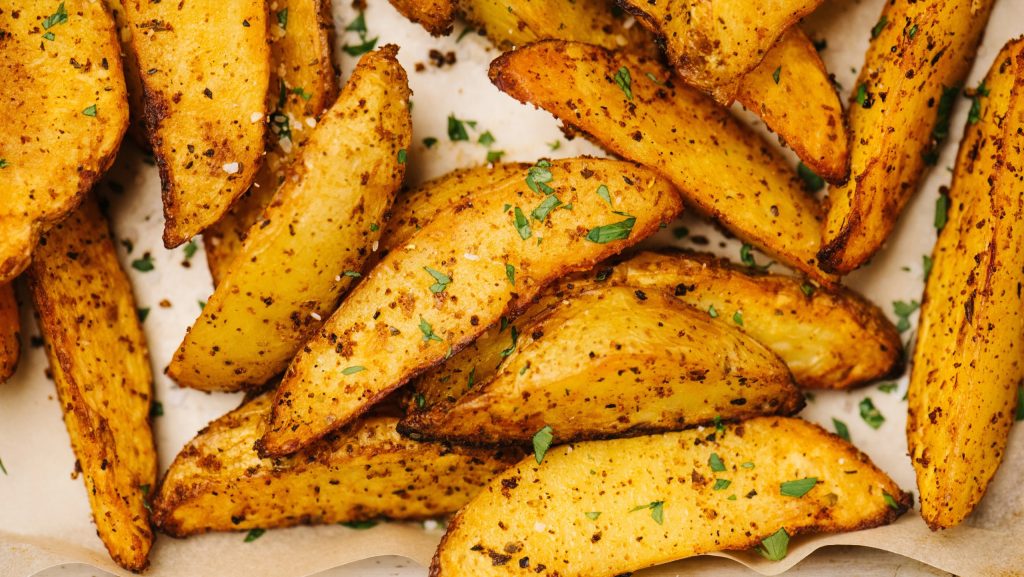
Potatoes (French fries, potato chips, wedges)
Sweet potatoes (fries, chips)
Root vegetables (carrots, beets, parsnips)
Breaded and battered foods (chicken nuggets, fish sticks)
The good news is that air frying may lower acrylamide levels compared to roasting or baking, especially since it uses less oil and often cooks faster.
Pro-tip: Try using lower temperatures and little or no oil to help reduce your risk.
Pro-tip: Soak potatoes before frying to reduce acrylamide formation (2).
The Risk of Plastics and Non-stick Coatings
What your air fryer is made of matters, especially when it comes to your health.
Plastic parts and non-stick coatings can release harmful chemicals when they get too hot.
Heating plastic can release chemicals like bisphenol A (BPA) and phthalates, which have been linked to multiple health conditions.
Teflon and other non-stick coatings may release a chemical called perfluorooctanoic acid (PFOA) when overheated. PFOA has been linked to higher risk of several cancers, including testicular, kidney, prostate, ovarian, and non-Hodgkin lymphoma.
In contrast, air fryers with stainless steel interiors are a safer option because they do not release harmful fumes or chemicals during cooking.
Pro-tip: Look for air fryers with stainless steel interiors and avoid models that use plastic inside. Always follow manufacturer instructions and use air fryers in a well-ventilated area.
Other Chemicals Released into the Air
Air fryers can release certain chemicals into the air while cooking, so it’s worth knowing how to minimize your exposure.
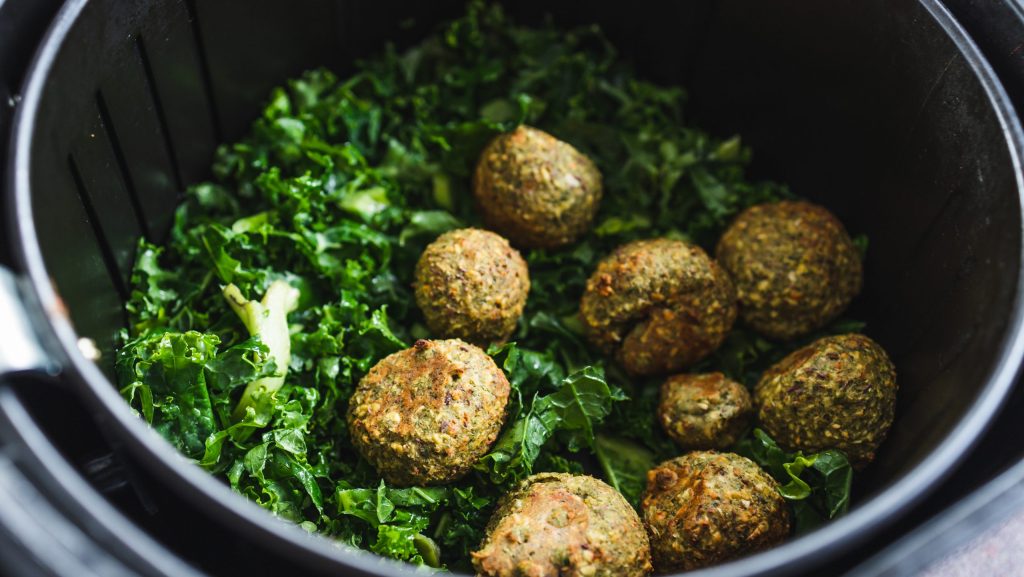
As food cooks, air fryers may release volatile organic compounds, or VOCs, especially when using oil or cooking high-fat foods.
VOCs can add to indoor air pollution and may affect your health if you’re exposed to high levels for long periods.
To reduce the release of VOCs, avoid cooking foods with high fat content, as they tend to generate more smoke and potentially release more VOCs.
Stick with fresh ingredients, avoid overfilling the basket, and clean your air fryer often to reduce chemical buildup.
Pro-tip: Use air fryers near a range hood or an open window to minimize the buildup of VOCs in the indoor air.
Always follow your air fryer’s manual to make sure you’re using it as safely as possible.
Air Fryers and Polycyclic Aromatic Hydrocarbons
Polycyclic aromatic hydrocarbons (PAHs) are chemicals that form when food is cooked at very high heat. They have been linked to cancer when eaten in large amounts over time. (4).
When fat and juices hit the hot surfaces in your air fryer, they can create smoke that contains PAHs. (5). This smoke can then be released into the air and potentially inhaled.
To reduce PAHs, use lean meats instead of fatty cuts. Fatty foods are more likely to produce these chemicals during cooking.
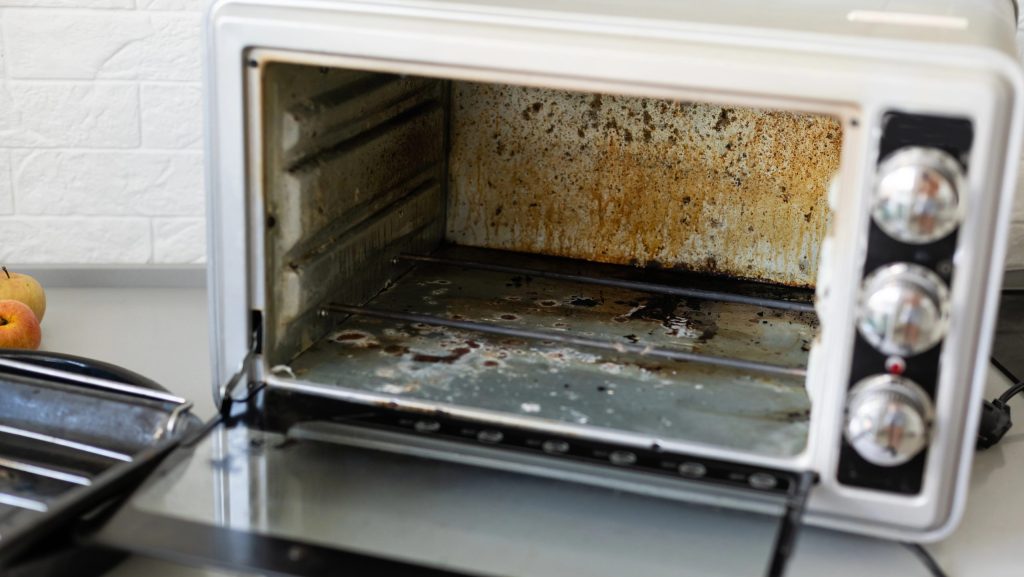
Pro-tip: Clean your air fryer often to reduce the accumulation of food residues that can cause PAH formation.
Air Fryers and Heterocyclic Amines
Heterocyclic amines (HCAs) are chemicals that can form when certain foods, particularly meat and poultry, are cooked at high temperatures.
Even though air fryers are a healthier option than deep frying, they still use high heat, which means HCAs can still form.
HCAs have been linked to a higher risk of colon, breast, and prostate cancers. They may also damage DNA and increase the chance of harmful mutations. (6, 7).
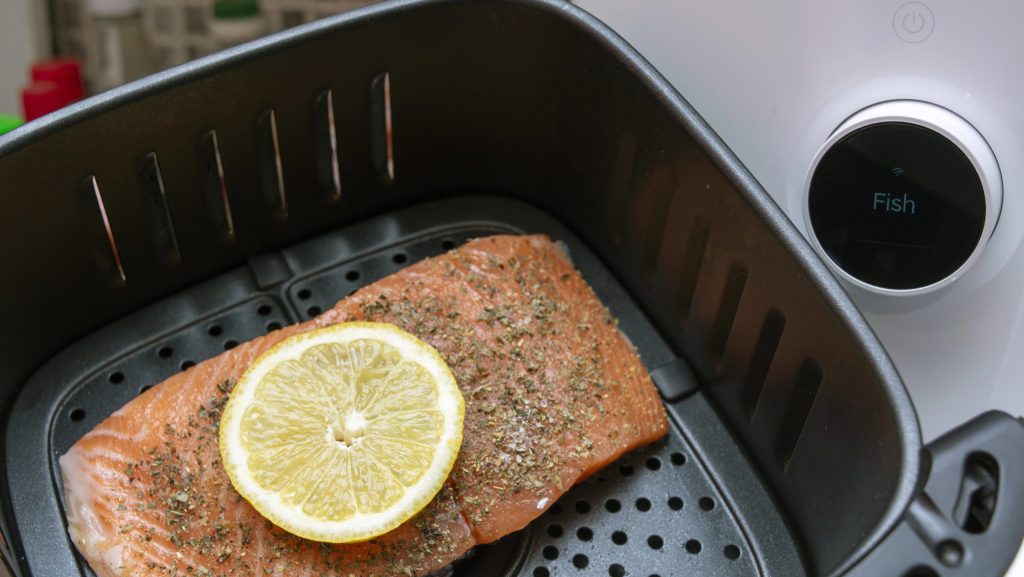
Red and processed meats tend to produce more HCAs. Choose lean meats like chicken or fish, and avoid processed meats like sausages or hot dogs, to minimize HCA formation.
Marinating meat in lemon juice or vinegar before air frying can help reduce HCAs. The acid acts like a barrier between the heat and the meat and reduces HCA formation.
Use lower temperatures and longer cook times when possible. It can reduce HCA levels while still getting the results you want.
Pro-tip: Add rosemary to meat to reduce HCA formation (8).
Healthy Cooking with Air Fryers to Reduce Cancer Risk
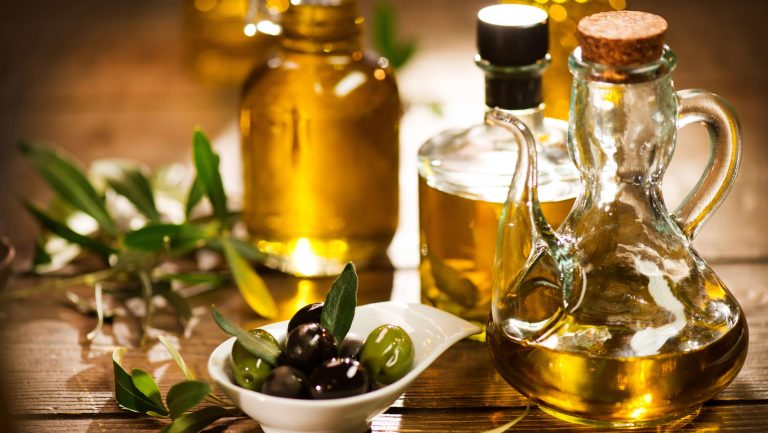
Use healthy oils. Although air fryers require little oil, it’s still important to choose healthy oils. Stick with healthier options like olive, avocado, or coconut oil, and avoid overdoing it.
Don’t overcrowd the basket. Give your food space to cook evenly. Overcrowding can create more smoke and increase the risk of harmful fumes.
Season your food. Boost flavor with herbs and spices instead of extra salt or fat.
Choose lean proteins. Stick with lean proteins like chicken, fish, or tofu. Fatty and processed meats are more likely to produce harmful compounds.
Use whole foods (not packaged foods). Try whole foods like sweet potatoes, Brussels sprouts, and carrots. They’re full of nutrients and work great in an air fryer.
Use the right temperature and time. Each air fryer is different, so it’s important to read the instructions and follow the recommended settings. Overcooking, excessively high heat, or burning food can increase the production of dangerous compounds.
Clean your air fryer regularly. Regular cleaning helps prevent buildup that can lead to harmful chemicals and bacteria.
Pro-tip: Remember air frying is just one tool. Mix it up with other cooking methods and a variety of foods for better overall nutrition.
Is Your Air Fryer a Healthy Hero or Cancer-Causing Culprit?
Used the right way, air fryers can support your health and make cooking easier.
Use minimal oil, choose wholesome ingredients, avoid plastics and non-stick coatings, Choose whole ingredients, use just a little oil, and avoid plastic or non-stick interiors. Cook near a window or fan to keep your air clean while you enjoy your meal.
With the right foods and a few smart tweaks, your air fryer can be part of the cancer-resistant life you’re building.

When You’re Ready, Here Are 3 Ways I Can Support You
1. Download the Free Guide: 5 Morning Habits That Support Healing and Lower Recurrence Risk Start your day with simple, science-backed habits that help lower inflammation, stabilize blood sugar, and make your body less hospitable to cancer—in just 20 minutes or less.
2. Join the Facebook Group: Holistic Cancer Recovery for Women
For women who’ve had a cancer diagnosis and want clear, practical support—without strict rules, extreme protocols, or added stress. You’ll get simple tips, expert insights, and honest conversations about what really works in everyday life.
3. Listen to the Private Podcast: The Cancer Recovery Roadmap
Short, focused episodes that explain what often gets overlooked—like how cancer develops over time and how to build a cancer-resistant body without overhauling your entire life.