
Best Foods to Lower Your Estrogen Levels Naturally
Have you been told you need to lower your estrogen levels, but you’re not sure where to start? Fortunately, there are real, science-backed ways to help, and it might be easier than you think.
As a Registered Dietitian and Cancer Recovery Coach, I help women create simple changes that support healthy hormone balance and long-term health.
The first step is understanding why high estrogen matters and how simple changes can make a big difference.
How High Estrogen Affects Your Health
When estrogen is out of balance, it disrupts the systems your body depends on.
It increases inflammation, slows detoxification, and weakens immune defenses. This creates conditions that make the body more vulnerable to disease, including hormone-sensitive cancers.
High estrogen over time has been linked to a greater risk of breast, ovarian, and endometrial cancers, as well as conditions like fibroids and endometriosis.
And for those who’ve already faced cancer, this imbalance can make it harder for the body to heal and stay healthy.
Sometimes estrogen is genuinely high. Other times, it’s just not being balanced properly by the rest of your system. Either way, food can play a powerful role in helping your body process and remove excess estrogen.
How Food Helps Lower Estrogen
Cruciferous Vegetables
Cruciferous vegetables include broccoli, cauliflower, Brussels sprouts, cabbage, and kale.
These veggies are packed with natural compounds that help your body manage estrogen.
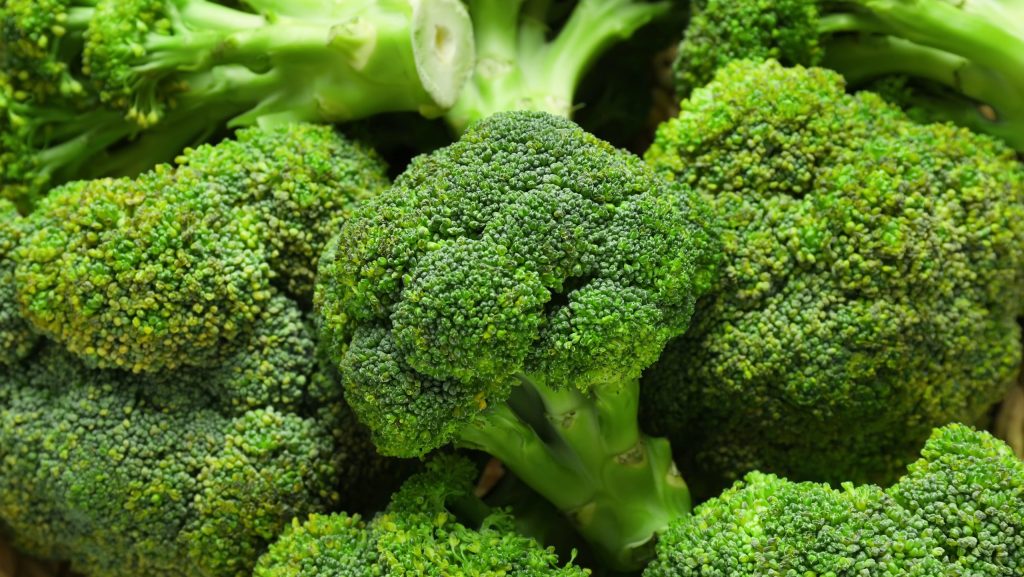
Glucosinolates in cruciferous vegetables break down during digestion into active compounds like indole-3-carbinol (I3C) and DIM (Diindolylmethane).
I3C and DIM help detoxify excess estrogen and improve the way your body processes it (1).
But there’s another key player in the cruciferous powerhouse: sulforaphane.
Sulforaphane, also found in cruciferous vegetables, helps regulate estrogen levels, potentially leading to healthier forms of this hormone. (2).
This is important because some forms of estrogen can promote cancer growth.
It’s a good idea to eat at least one cruciferous veggie a day to help keep hormone levels balanced.
Pro-tip: Chop cruciferous veggies at least 40 minutes before cooking to boost sulforaphane content.
Whole Grains
Whole grains like oats, barley, and quinoa help support healthy estrogen levels in two ways.
First, they are packed with dietary fiber, which helps regulate blood sugar and support hormone balance.
Fiber also binds to extra estrogen in your gut and helps carry it out of the body, instead of it getting reabsorbed into the bloodstream.
Pro-tip: Aim for at least 25 grams of fiber per day from whole grains, veggies, and fruit.
Flax Seeds
If you’re not eating flax seeds regularly, you are missing out on their potent nutritional benefits! Especially when it comes to helping your body deal with extra estrogen.
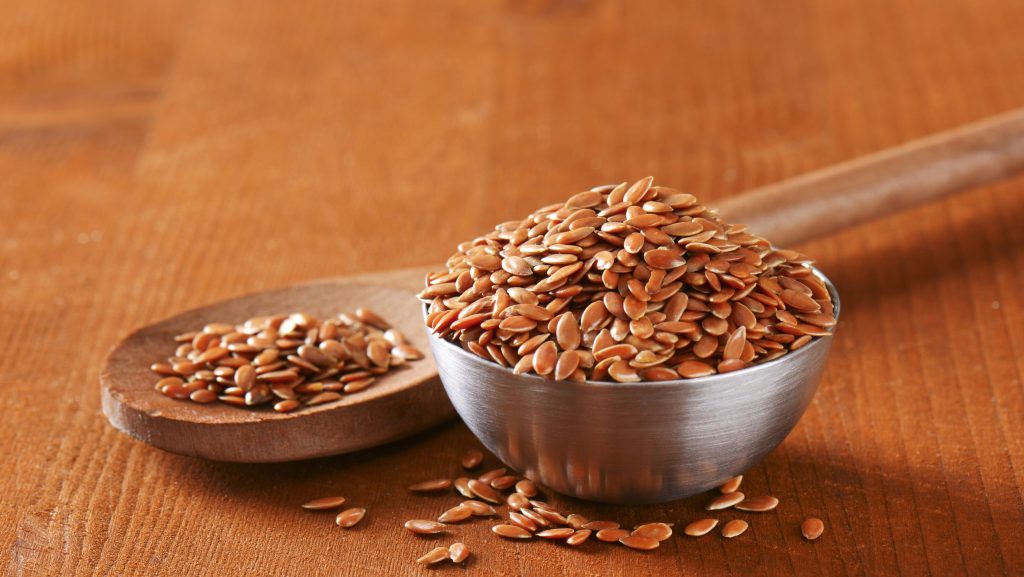
Flax seeds are unique because they contain high levels of lignans, a type of phytoestrogen (plant-based estrogen).
After lignans are processed by gut bacteria, they can either mimic estrogen or block stronger forms from taking over (3). They attach to estrogen receptors and help your body keep estrogen levels more balanced.
Pro-tip: Flax seeds are most beneficial when freshly ground and added to smoothies, yogurt, or baked goods. An inexpensive coffee grinder is the perfect tool to use.
Soy
Have you ever tried tofu, soy milk, edamame, tempeh, miso, soy nuts, textured soy protein, or textured vegetable protein?
These delicious soy foods may help reduce the symptoms of menopause and protect against certain cancers.
Soy foods contain isoflavones, which are similar enough to estrogen to fit into estrogen receptors. But because they are much weaker than your body’s natural estrogen, they take up space without overstimulating the receptors.
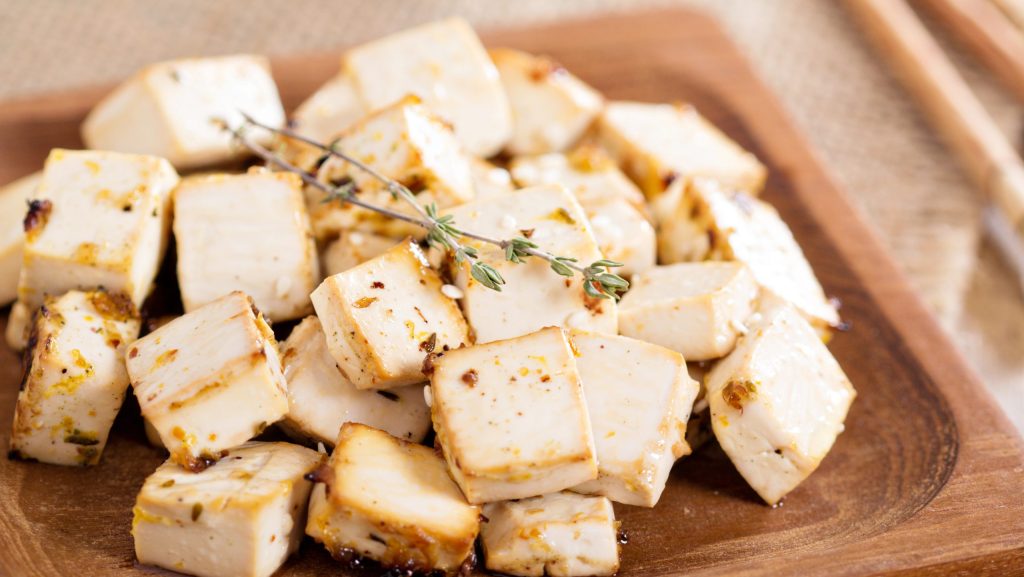
This can help protect healthy cells and lower the risk of hormone-sensitive cancers.
While the research is mixed and sometimes controversial, as a Cancer Recovery Coach and Dietitian I often recommend soy foods.
In several countries, particularly in Asia, soy is a staple part of the diet. Studies suggest that the regular intake of soy foods like tofu and edamame may help protect against breast and prostate cancers (4, 5).
Green Tea
Who doesn’t love a frothy cup of matcha, am I right? If you haven’t tried it, you are really missing out!
Green tea and matcha, which is made by grinding green tea leaves into a powder, are packed with powerful antioxidants called catechins.
One of the strongest catechins, called EGCG (epigallocatechin gallate), helps your liver clear out extra estrogen and protect your cells. This helps keep the amount of circulating estrogen at a healthy level.
EGCG is also a strong antioxidant, protecting your body’s cells from harmful free radicals.
Drinking green tea or matcha regularly is not just good for balancing estrogen but also for overall health because it fights off oxidative damage.
Mushrooms
Ah, the lowly mushroom. It often doesn’t get the respect it deserves!
Shiitake, Portobello, and other mushrooms are tiny nutritional powerhouses.
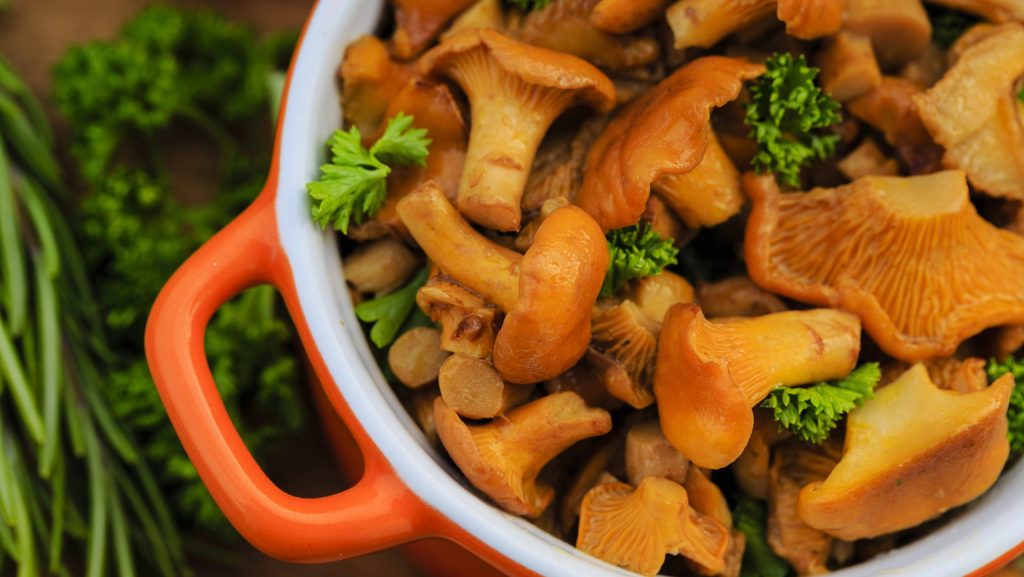
Mushrooms contain natural compounds that inhibit aromatase, the enzyme that converts other hormones into estrogen.
Lowering aromatase activity can help reduce estrogen production and lower the risk of hormone-sensitive cancers (6).
And there’s more. Mushrooms are packed with antioxidants and unique compounds called polysaccharides. These may help strengthen the immune system and slow the growth of tumors (7).
Red Grapes
Did you know that your favorite red wine’s secret ingredient, resveratrol, comes from the skin of red grapes?
This natural compound does more than make your glass of wine enjoyable. It also helps lower estrogen levels by blocking aromatase, an enzyme that turns other hormones into estrogen (8).
Researchers are excited about resveratrol because it may help reduce cancer risk by lowering estrogen, fighting inflammation, and protecting cells from oxidative stress (9).
It’s worth noting that while red grapes are a natural source of resveratrol, most studies use much higher amounts than you could get from food alone.
Eating grapes can still support your health, but when it comes to balancing estrogen, there’s even more you can do.
One of the biggest keys is taking care of your gut. Keep reading to find out why.
Improve Gut Health to Lower Estrogen Levels Naturally
You might not think of your gut when it comes to hormone health, but it plays a bigger role than many people realize.
When your gut is working well, it helps your body break down and clear out extra estrogen before it can build up.
That’s important, because too much estrogen can increase the risk of hormone-sensitive conditions, including cancer.
One special part of your gut microbiome, called the estrobolome, has an even bigger job.
The estrobolome is the group of gut bacteria that helps decide if estrogen gets cleared out of your body—or recycled back into your system.
When the estrobolome is healthy, your body can clear out extra estrogen more easily and keep your hormone levels better balanced.
But when it’s out of balance—due to stress, antibiotics, or poor diet—estrogen can build up in ways that can raise your risk for hormone-sensitive conditions.
So how do you support your gut and your hormones at the same time?
It starts with what’s on your plate.
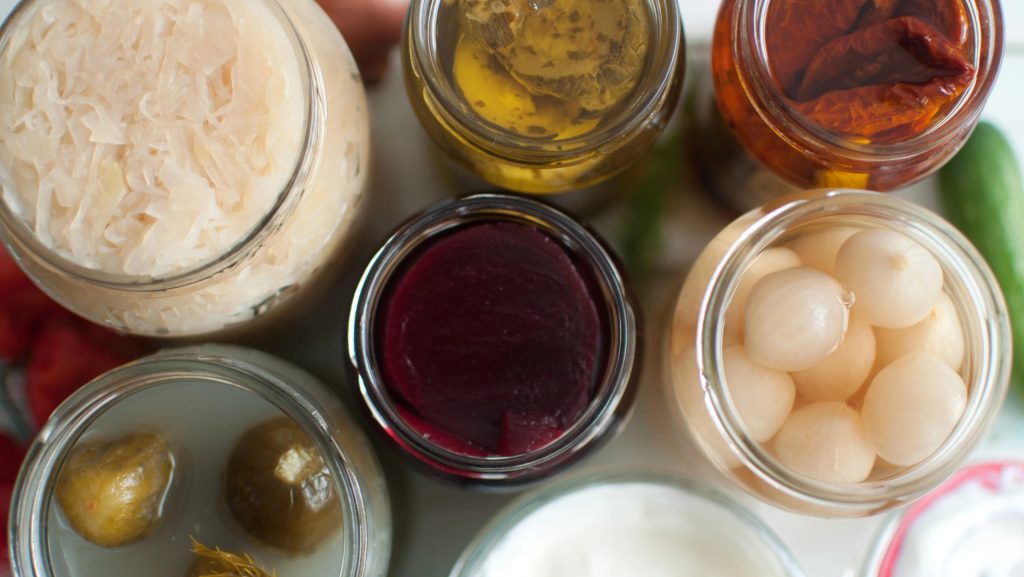
Probiotics and Fermented Foods
Probiotics are good bacteria that help keep your gut strong. Fermented foods like yogurt, kefir, sauerkraut, and kimchi add more of these healthy bacteria to your gut.
Having more good bacteria makes it easier for your body to break down extra estrogen and move it out through digestion.
This not only supports hormone balance but also improves overall digestive health.
Adding just a small serving of fermented food to one meal a day can help support better gut health and hormone balance.
Benefits of Plant-Based Eating
Eating a wide variety of plant foods is another way to feed the good bacteria in your gut.
The more colorful and varied your intake of fruits, vegetables, beans, and whole grains, the stronger your gut health becomes—and the better your body can manage estrogen naturally.
Fiber from plant foods also helps move estrogen out through digestion instead of letting it get reabsorbed into your bloodstream. So it’s a win-win!
Why Fiber Matters for Estrogen Balance
Dietary fiber is essential for maintaining a healthy gut. Fiber feeds your good gut bacteria and helps move estrogen out through regular digestion, instead of letting it build up.
This process is vital for preventing the reabsorption of excess estrogen back into the bloodstream, thereby helping to maintain balanced hormone levels.
You’ll find fiber in plant foods like fruits, vegetables, beans, nuts, seeds, and whole grains—and the more variety you eat, the better it is for your gut health and hormone balance.
But there’s even more you can do! Let’s have a look at how other lifestyle factors play a role.
Everyday Habits That Lower Estrogen Naturally
Beyond diet and gut health, several lifestyle factors play a significant role in managing estrogen levels. Let’s explore:
Maintain a Healthy Weight
Maintaining a healthy weight is key to managing estrogen levels.

Fat tissue doesn’t just store energy—it also makes estrogen.
When we carry extra body fat, it leads to higher estrogen levels, which can throw off the hormone balance.
It’s important to focus on fat loss if needed and prevent gaining excess weight to keep estrogen levels in check.
Cut Back on Alcohol
Excessive alcohol consumption impacts the liver’s ability to process hormones, including estrogen.
Lowering your alcohol intake- or better yet, avoiding it altogether- helps maintain healthy estrogen levels.
Choose Healthy Fats
The type of fats you consume directly impacts estrogen levels.
Healthy fats, especially those found in olive oil, nuts, and seeds, as part of a Mediterranean diet, can have a positive effect on maintaining balanced sex hormones.
Olive oil is a staple of the Mediterranean diet. But not all olive oils are created equal. Learn more about how to choose a good olive oil here.

Move Your Body Regularly
When you stay active, you help maintain a healthy weight, reduce fat tissue, and improve overall metabolism.
Exercise lowers estrogen levels and reduces the risk of breast cancer and other estrogen-related diseases.
Support Your Nervous System
Who’s not stressed these days? Unfortunately, chronic stress contributes to hormonal imbalances by affecting the adrenal glands, which produce sex hormones.
Simple habits like mindfulness, yoga, or taking time to relax can help keep your hormones balanced.
So you see, simple changes can all contribute to a healthier hormonal balance.
Lower Estrogen Naturally: A Holistic Approach
The best way to manage estrogen is by combining smart food choices, daily movement, and habits that lower stress.
Small shifts in your food, movement, and daily habits work together. They build on each other, helping your body clear out extra estrogen and lower your risk for hormone-sensitive health cancer and other conditions.
If you’re considering hormone therapy or other medical interventions, it’s a good idea to consult with a healthcare provider. They can offer guidance tailored to your specific health needs and conditions.
The changes you make today can have a lasting impact on your hormone health and overall well-being.
What’s one step you will take today to support healthier hormone balance?

When You’re Ready, Here Are 3 Ways I Can Support You
1. Download the Free Guide: 5 Morning Habits That Support Healing and Lower Recurrence Risk Start your day with simple, science-backed habits that help lower inflammation, stabilize blood sugar, and make your body less hospitable to cancer—in just 20 minutes or less.
2. Join the Facebook Group: Holistic Cancer Recovery for Women
For women who’ve had a cancer diagnosis and want clear, practical support—without strict rules, extreme protocols, or added stress. You’ll get simple tips, expert insights, and honest conversations about what really works in everyday life.
3. Listen to the Private Podcast: The Cancer Recovery Roadmap
Short, focused episodes that explain what often gets overlooked—like how cancer develops over time and how to build a cancer-resistant body without overhauling your entire life.